
Moving to Australia, or already there and need your savings from home? Sending money to Australia is easy. Sending it cheaply takes a little more thought.
We learned that the hard way when we first moved to Oz from Ireland. Here’s what we got wrong, and how to send money to Australia in 2026 without handing a chunk of it to the banks.
Updated October 2026: the short version
- Everyday amounts: we recommend Wise. You get the real exchange rate and see the fee before you pay.
- Large amounts (house deposit, life savings): also get a quote from TorFX. No transfer fees; their margin is built into the exchange rate. OFX is another well-known option.
- Avoid sending through your home bank or PayPal if you can. The cost is mostly hidden in the exchange rate, and your Australian bank may charge to receive it.
- Compare one number: how many Australian dollars will actually land in your account.
- Have ID ready. Transfer companies are regulated and will check your identity, and may ask where large amounts came from.


Our expensive first transfer
When we both arrived and opened accounts with an Australian bank, we did what we thought was the obvious thing. We sent our hard-earned savings, around €2,500 each, straight from our Irish bank accounts. A few days later the money arrived, and we went for a celebratory drink.
Over an ice-cold beer, a friend who had been in Australia for about six months asked how we’d moved our money.
“Through our banks in Ireland, obviously.”
He laughed. Did we not realise the banks had given us a poor exchange rate, on top of the fees? We had also each paid around $30 back then just to receive the money into our new Commonwealth Bank accounts.
Once we worked it out, we would have saved over AU$300 between us by using a money transfer company instead. That’s a lot of beers.
After that we switched to transfer companies, and our money actually arrived faster than it had through the banks.
Why banks cost more than you think
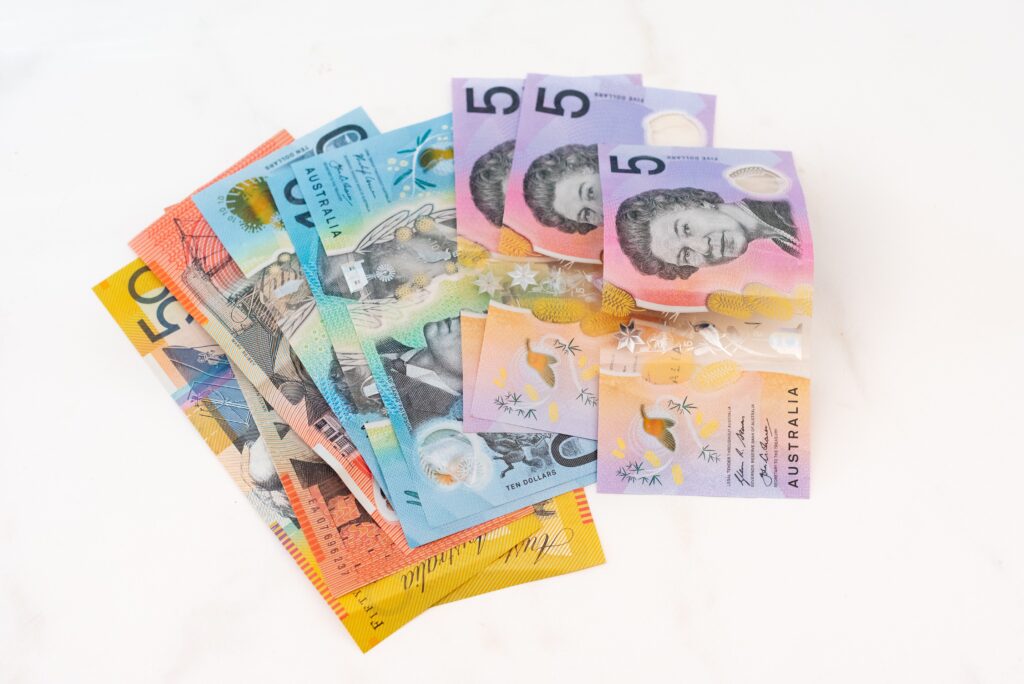
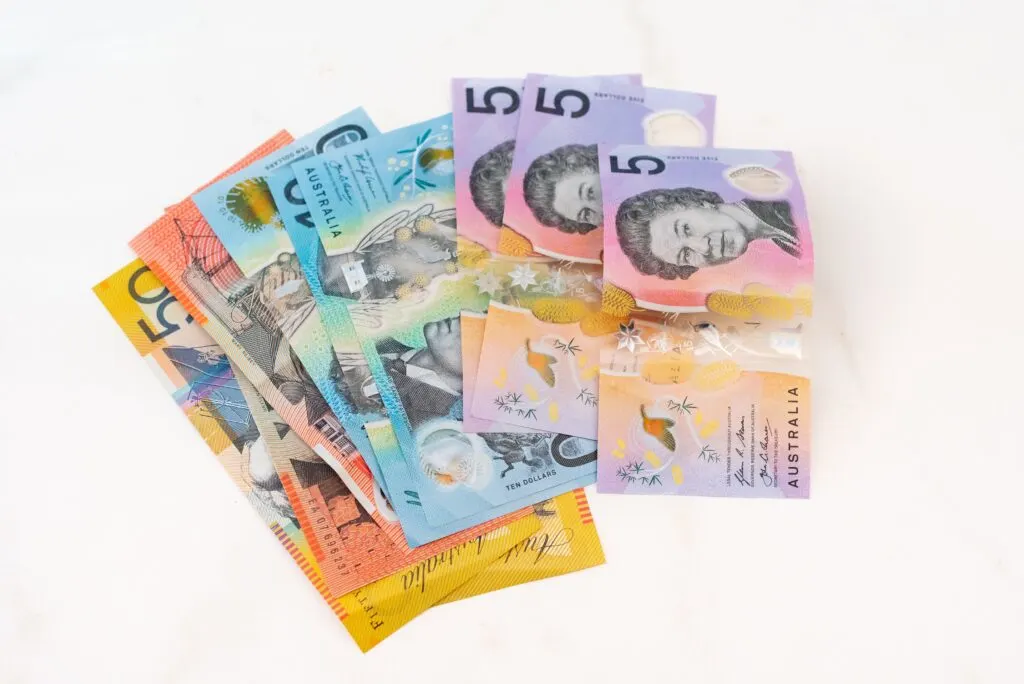
When you send money abroad through a bank, there are usually three costs:
- The sending fee. This is the one you see.
- The exchange-rate markup. Banks rarely give you the real (mid-market) rate you see on Google. They use their own, worse rate and keep the difference. This is usually the biggest cost, and the one people don’t notice.
- Receiving and intermediary fees. International (SWIFT) payments can pass through other banks that take a cut, and your Australian bank may charge to receive the money. For example, as of October 2026, CommBank charges up to $11 per incoming international transfer.
Transfer companies like Wise usually pay the money out from a local Australian account, so it arrives as a normal domestic payment, without those receiving fees.
How to send money to Australia: step by step
- Open your Australian bank account. Some banks let you open an account before you arrive. Our best bank in Australia guide compares the options.
- Get your account details. Australia doesn’t use IBANs. You need the account name, the six-digit BSB and the account number.
- Sign up with a transfer company. Verify your ID online (passport or driving licence, sometimes proof of address). Do this before you need the money, as checks can take a little time.
- Compare quotes on the same day. Look at the final AUD amount you’ll receive, not just the fee.
- Pay in from your home bank account as a local payment in your own currency (euro, pounds and so on).
- Double check the BSB, account number and name before you confirm. Mistakes are slow to fix.
Our recommendations


Wise: best for everyday transfers
Wise (it used to be called TransferWise) is what we recommend for most people.
- You get the mid-market exchange rate, with no hidden markup.
- The fee is shown up front, so you know exactly how many dollars will arrive.
- Many transfers arrive the same day.
- You can hold money in different currencies, and use the Wise card for spending.
It’s ideal for moving your savings at the start of a working holiday, paying bills back home, or topping up your Australian account.
TorFX: worth a quote for larger amounts
If you’re sending a large sum, such as a house deposit or everything you’ve saved, it’s nice to talk to a real person. TorFX is a currency broker that operates in the UK and Australia and gives you a dedicated account manager.
- No transfer fees; their margin is built into the exchange rate.
- Because the cost is inside the rate, compare the final AUD amount against a Wise quote on the same day. On big amounts, a broker can sometimes come out ahead, and it’s worth asking whether they can improve the rate.
OFX: a well-known alternative
OFX (formerly OzForex) is an Australian company and a popular choice for larger transfers. It’s a separate company from TorFX. We’re not affiliated with OFX, but it’s worth including in your comparison.
What about CurrencyFair?
We used CurrencyFair for years, and it saved us a lot compared to the banks. These days we recommend Wise for everyday transfers instead. If you already use CurrencyFair, compare its current fee and rate with the options above on the day you send.
PayPal
PayPal is handy for small payments, but expensive when currencies change. Its currency conversion is typically 3 to 4% above the base exchange rate, and some international personal payments carry an extra fee. Check PayPal’s fees page for your country. For anything more than a small amount, a transfer company will almost always leave more in your pocket.
Sending larger amounts to Australia
“But guys, I need to send $50k!” At some point you might need to move a big amount: a property deposit, an inheritance, or a few years of savings heading back home.
- Get at least two quotes on the same day. On large sums, even a small difference in the rate is real money.
- Ask about forward contracts if you know you’ll need the money on a set date. A broker can lock in a rate in advance (you’ll usually pay a deposit).
- Expect more questions. For large transfers you may be asked for proof of where the money came from, such as a payslip, a sale contract or a bank statement. That’s normal.
- Check any limits on how much your home bank lets you send out per day, and arrange a higher limit in advance if needed.
ID checks and AUSTRAC: what to expect
AUSTRAC is Australia’s financial crimes regulator. You don’t need to deal with it yourself, but it explains some of the questions you’ll be asked.
- Money transfer businesses serving Australians have to be registered with AUSTRAC and verify who you are, just like a bank.
- International transfers into and out of Australia are reported to AUSTRAC as a matter of routine. It isn’t a tax and you don’t have to do anything.
- Your provider may ask what a transfer is for and where the money came from. Answer honestly; it’s a legal requirement for them.
- If you’re carrying cash, you must declare AUD $10,000 or more (or the equivalent in foreign currency) when you enter or leave Australia. A bank transfer is safer anyway.
Tips for your Australian bank account
- Ask your bank what it charges to receive an international transfer, and what exchange rate it uses if money arrives in a foreign currency. Ideally, send money already converted to AUD.
- Use the exact account name as it appears on the account.
- For bank-to-bank SWIFT transfers you’ll also need your bank’s SWIFT/BIC code, which your bank can give you.
- Keep your home bank account open for a while, so you can move money back if you need to.
Spending money: always pay in Australian dollars
When you use a foreign card in Australia (or an Australian card abroad), a card machine or ATM may offer to charge you in your home currency. This is called dynamic currency conversion (DCC), and the rate is almost always poor.
Always choose to pay in the local currency (AUD in Australia) and decline the conversion. Let your card do the exchange. A travel-friendly card such as the Wise card helps too.


The bottom line
- Banks: usually the most expensive option, between a poor exchange rate, sending fees and receiving fees.
- Money transfer companies: usually far cheaper, and often faster. They still make money, either through a visible fee or a margin in the rate, so compare what arrives.
- Our picks: Wise for everyday transfers, and a quote from TorFX for larger amounts.
Moving from Ireland? Our sister site Irish Around Oz has a guide to transferring money from Ireland to Australia. For spending abroad and other currencies, read our international money transfer guide.


- Working holiday in Australia: the complete guide (all our Australia posts in one place)
- Best bank in Australia for newcomers
- Travel insurance for Australia
- Working holiday visa Australia checklist
Planning your move to Australia
- Wise: everyday transfers to Australia and a multi-currency card
- TorFX: larger transfers with a dedicated account manager
- Best bank in Australia for new arrivals
- Working holiday visa Australia checklist
- Moving to Australia: everything we wish we’d known
- International money transfer guide
- Irish Around Oz: resources for the Irish in Australia
Thanks for reading, and enjoy those extra few beers on us.
Steve and Sabina
Planning your trip? Pin this guide to your Pinterest board for later.

Some links are affiliate links. If you use them we may earn a small commission at no extra cost to you. Rules, fees and rates change; always check the official government website and the provider’s own website before you send money.