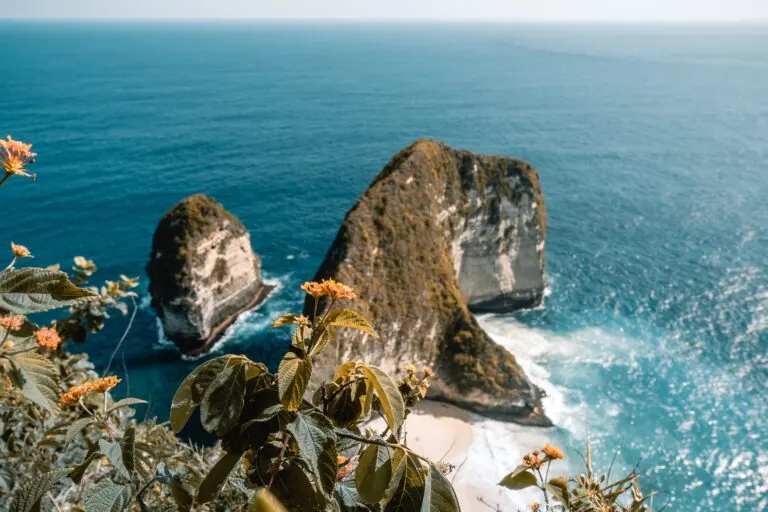
Uluwatu is the cliff-lined southern tip of Bali, on the Bukit Peninsula. It’s surf country, with famous reef breaks at Uluwatu, Padang Padang and Bingin, beaches at the bottom of long staircases, and a temple on the cliff edge where the sun goes down over the ocean.
Sabina wrote our original Uluwatu post sitting on the beach while Steve was out surfing. It was her second visit and her favourite place in Bali. Over two trips we spent about four months in Bali, Lombok, Nusa Lembongan and the Gilis, and three months or more of that was here. Long enough to know each menu by heart.
Compared with Kuta, it was far from the crazy streets, and nobody was too pushy.
Our trips were around 2014 and 2015, and plenty has changed since. Bali now has a tourist levy, and in July 2025 the authorities began demolishing the cafés and homestays on Bingin’s cliff face. So this guide keeps what we did back then separate from what you’ll find now. Every current price and rule below was checked in November 2026.
Updated November 2026: Uluwatu key facts
- Tourist levy: IDR 150,000 per person (about EUR 7), paid once per trip. Pay before you fly on the official Love Bali website (lovebali.baliprov.go.id) or app.
- Temple and Kecak: temple entry is about IDR 60,000 (about EUR 3) for foreign adults and the Kecak dance about IDR 150,000 (about EUR 7). The main show starts at 6pm and sells out.
- Getting there: 45 minutes to an hour from the airport, longer in late-afternoon traffic. A car costs about IDR 550,000 to 600,000 (about EUR 27 to 30).
- Scooters and Grab: to ride a scooter you need a motorcycle licence plus an International Driving Permit that covers motorcycles. Grab and Gojek work, but some pickup spots are off limits.
- Best months: the dry season, roughly April to October, is the main surf season. November to March is wet.
Uluwatu tickets and tours we’d book
Prices are what GetYourGuide showed when we checked in November 2026; they change, so check before you book.
- Kecak fire dance ticket (temple entry and transfers can be added): rated 4.2 from more than 4,500 reviews, from about €8.
- Guided Uluwatu Temple tour with entry (the sunset Kecak can be added as an option): rated 4.6 from more than 500 reviews, from about €15.
- Beginner and intermediate surf lesson with equipment: about 2 hours, rated 4.9 from more than 1,300 reviews, from about €30.
These are affiliate links. If you book through them we may earn a small commission at no extra cost to you.
In this post
Things to do in Uluwatu
Uluwatu Temple and the Kecak dance
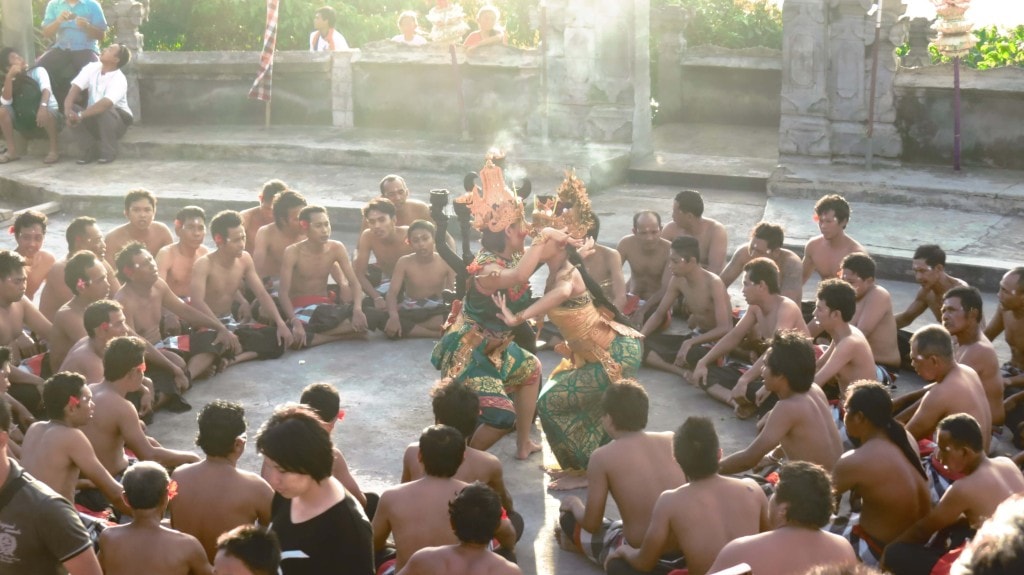
Pura Luhur Uluwatu sits right on the cliff edge, and the Kecak dance is performed there every evening. Back then we suggested arriving around 5 to 6pm, so you get the views, the red sunset and the dance in one go. You were given a sarong if you turned up in shorts.
How it works now:
- Temple entry: about IDR 60,000 (about EUR 3) for foreign adults and IDR 40,000 (about EUR 2) for children when we checked in November 2026, though a few guides still list the older IDR 50,000. Open 7am to 7pm.
- Dress: cover your knees and shoulders. A sarong and sash are lent free at the entrance.
- Kecak tickets: about IDR 150,000 (about EUR 7) for adults and IDR 75,000 (about EUR 4) for children aged 2 to 9 when we checked in November 2026, on top of the temple ticket.
- Show times: the main show starts at 6pm and lasts about an hour. A second show at 7pm has been running in busy periods.
The 6pm show sells out. If you’re buying at the gate, be there by 4 to 4:30pm, or book online a few days ahead. Some tickets sold online are for a separate Kecak show at Karang Boma cliff, near the temple, so check the venue before you pay.
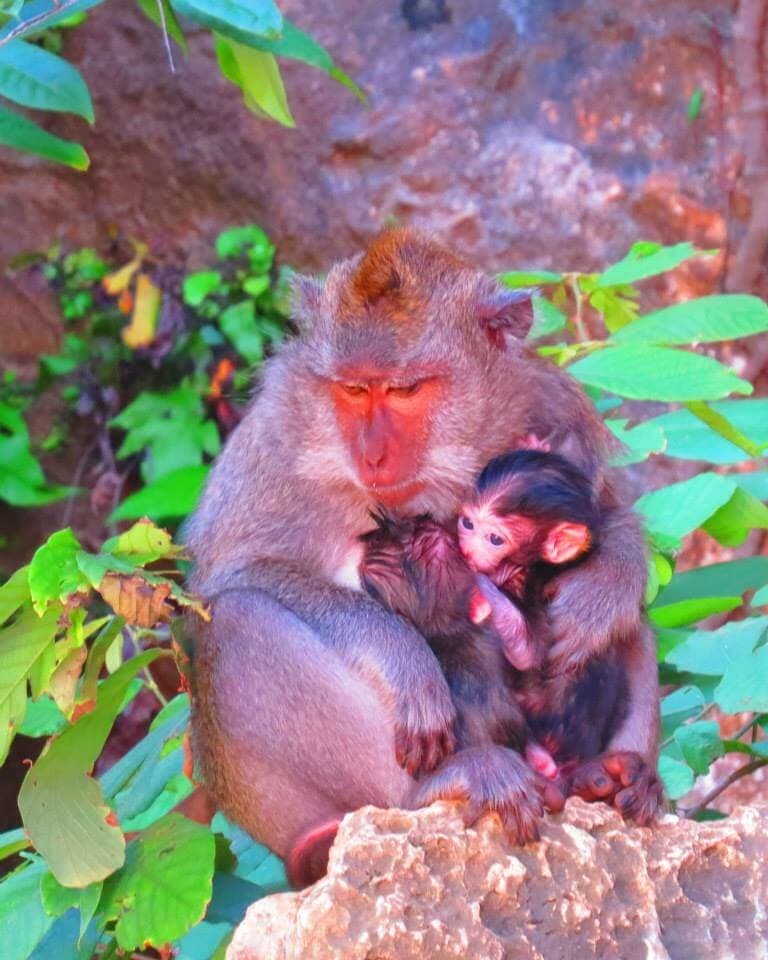
Then there are the monkeys. They steal sunglasses, cameras and drinks, and they tried to take Sabina’s “blingy” flip-flops. Put everything away in a closed bag before you go near them, don’t bring food in, and if something does get taken, find a member of staff rather than chasing it yourself.
Surf or learn to surf
Steve’s take: there’s a wave here nearly all year round. In the wet season you may need to head to the east coast around Nusa Dua, 20 to 30 minutes away by bike. Always check the forecast and the tides before you paddle out, because the surf can get big fast.
Uluwatu, Padang Padang, Bingin and Green Bowl are reef breaks for experienced surfers, and Uluwatu tends to work best from mid to high tide. If you’re learning, Dreamland and Balangan have gentler waves and surf schools on the sand. Board hire at Padang Padang was about IDR 100,000 (about EUR 5) an hour when we checked in November 2026. Need words for the photos? Try our surf captions.
Sunset at a cliff bar
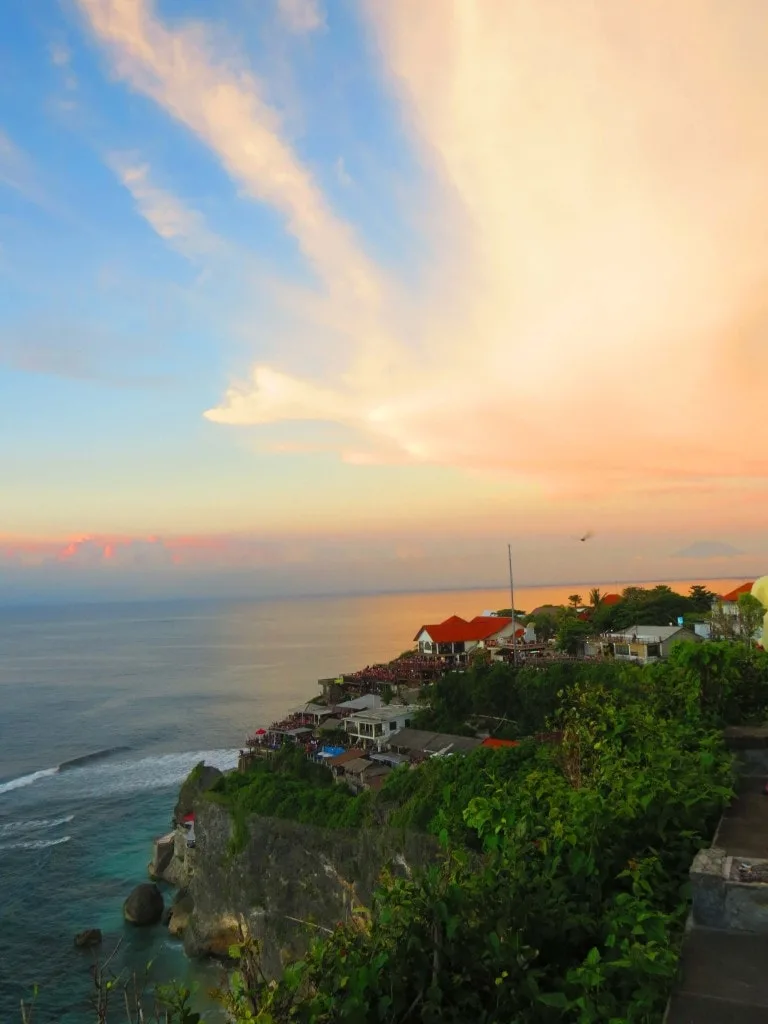
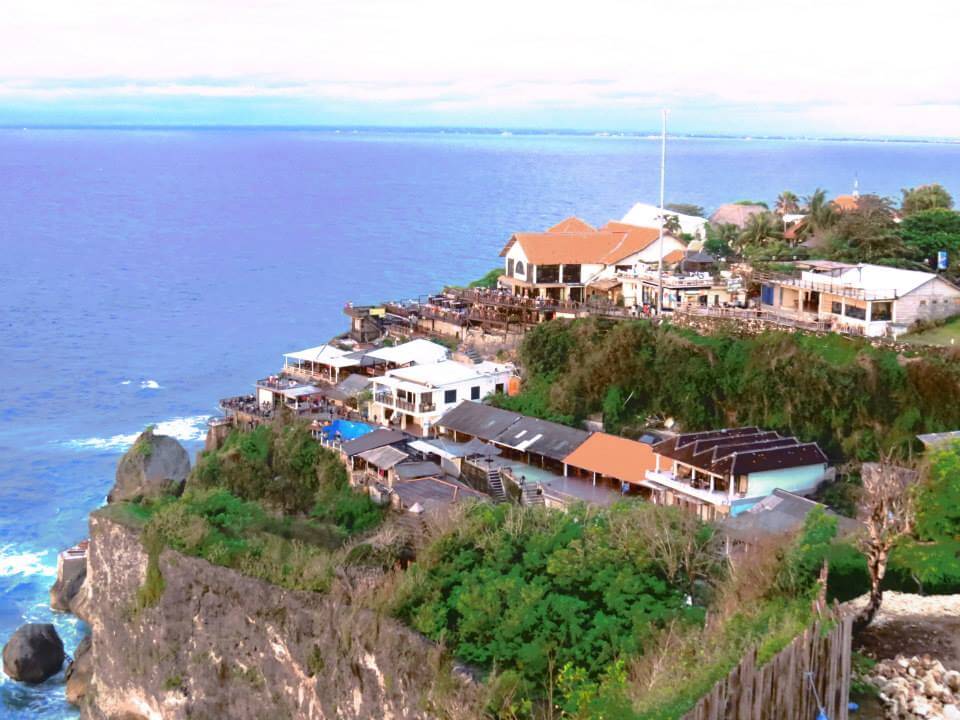
Sunset at Single Fin, on the cliff above the Uluwatu break: we said it in 2015 and we’ll say it again, you can’t beat it. Single Fin is still going, open daily from 8am and until 2am on Wednesdays and Sundays. Get there before sunset for a good spot.
Beach hopping
This is the cliff side of the island, so expect a serious number of steps down to every beach. Walking down is fine; walking up is the real challenge. Each beach is covered below.
Uluwatu with kids
We were there long before our two came along, so this comes from current sources rather than our own trips. Melasti has the calmest water and a road down to the sand, children aged 2 to 9 pay half price at the Kecak, and at the temple a baby carrier beats a pushchair, because the monkeys go for anything loose.
Uluwatu beaches
Conditions change with the tide and the swell, so look before you swim and stay out when the waves are big. Entry and parking fees are small and paid in cash.
Padang Padang
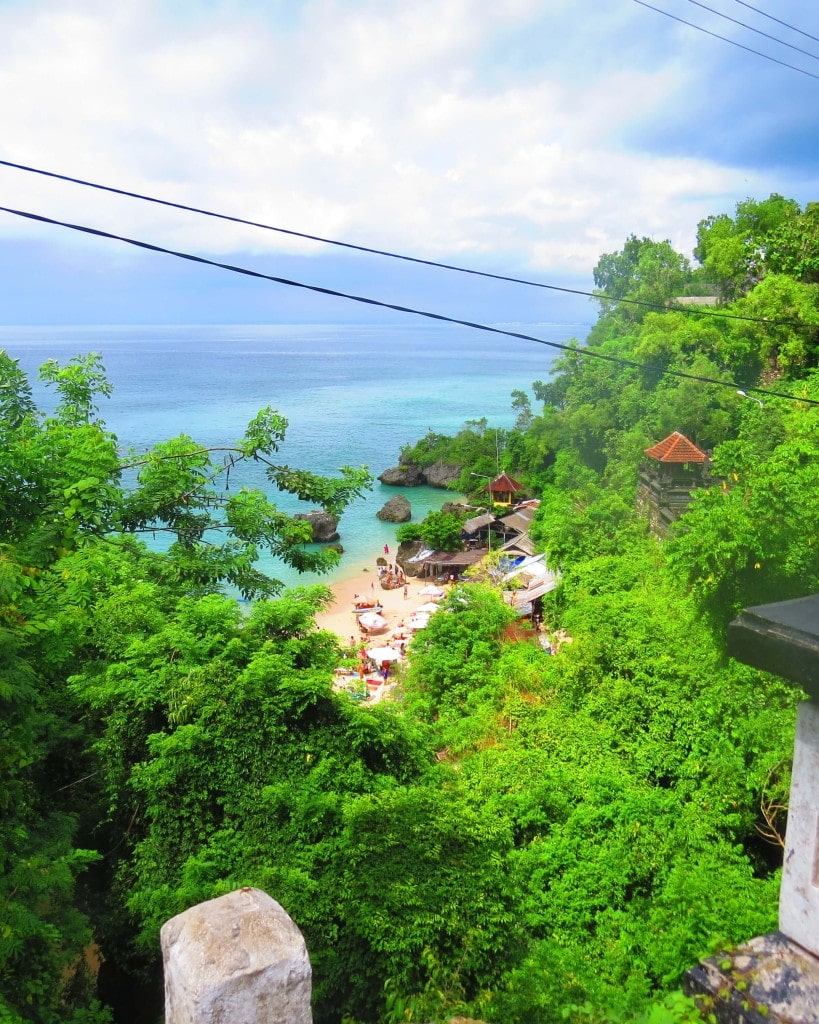
About 120 steps lead down through a narrow gap in the rock to a small cove. Entry was IDR 15,000 (under EUR 1) for adults and IDR 10,000 for children when we checked in November 2026. It’s one of the better swimming spots, calm at low tide, but there are no lifeguards, and the reef break out front is for experienced surfers only. Monkeys hang around the entrance and car park, so keep your bag zipped.
Bingin
Bingin has changed the most. In July 2025 the authorities began demolishing 48 buildings on the cliff, saying they broke planning rules and sat on state land, and the cafés and homestays that were built down the cliff face are gone, though places on the clifftop above are still open. The beach is still open and the wave hasn’t changed, but visitors in mid-2026 found rubble, broken stairs (new ones were being built), one surf shop and no toilets. Entry is free, and the rocky, coral bottom makes it a poor choice for swimming.
Dreamland
Back then Dreamland was very crowded in peak season, roughly June to September. It’s one of the easiest beaches to reach, with parking a short walk from the sand. Entry is free, though some visitors report being asked for unofficial fees. The waves can be powerful, so it’s better for surfing and bodyboarding than a relaxed swim.
Balangan
We called Balangan the newlywed photo spot. It’s easy to reach, with a few steps down to the sand and free entry. The reef sits close to shore, so it’s not ideal for swimming, but surf schools run beginner lessons here and the waves suit learners around high tide.
Uluwatu and Suluban (Blue Point)
The beach below the famous break is reached by a short, steep staircase at Suluban, past surfboard racks and warungs, and at low tide through a sea cave. It’s for surfers and for watching, not for swimming.
Melasti
The easy one. A road winds down between the cliffs to parking right by the sand, and the water is some of the calmest on the Bukit, which makes it the best bet for families. Entry was about IDR 10,000 to 15,000 (under EUR 1) when we checked in November 2026.
Nyang Nyang
A long, quiet beach at the bottom of a steep path of roughly 500 steps, about 15 minutes down. Entry is by donation. The waves are strong at high tide, so if you want to get wet, stick to the shallow pools at low tide.
Green Bowl
About 300 to 320 steep steps take you down, and guides list a small entry fee of IDR 5,000 to 12,000 (under EUR 1). The wave is strong and fast and suits experienced surfers. Swimming is risky because of the sharp reef and currents, and there are no lifeguards. Leave before dark, as the stairs have little lighting.
Where to stay in Uluwatu
Every place to stay we named back then is still running in 2026. The prices are from our trips, so expect to pay more now.
- Naturela Homestay (our personal favourite): friendly staff, a pool and BBQ prawns you have to try (back then they rented scooters too). Rooms were from about AUD 25 a night back then.
- Mamo Hotel: close to Uluwatu beach, about AUD 50 to 60 a night back then.
- Padang Padang Breeze: we knew it for its restaurant, but it has rooms too.
- Surf camps: Uluwatu Surf Villas, which had a yoga class overlooking the break, and Rapture, which now has two camps, at Padang and Green Bowl. Back then Rapture cost about AUD 100 to 400+.
- A splurge: AYANA, on the cliffs at Jimbaran, and Alila Villas Uluwatu, at AUD 800 to 1,000+ a night back then.
As for areas: first-timers and couples do well around Padang Padang and Jalan Labuan Sait, a road with plenty of cafés and restaurants, so the beaches, Single Fin and the temple are a short ride away. Surfers can stay near Uluwatu beach or at a surf camp, and backpackers at a homestay like Naturela. Most of the big resorts sit further round in Ungasan and Jimbaran, where you’ll need a driver for most things. Compare everything on Booking.com’s list of Uluwatu stays.
Where to eat and drink
Back then a plate at a local warung was about IDR 20,000 to 40,000. Our favourites that are still open:
- Padang Padang Breeze: the BBQ tuna, about 10 dollars for a massive main back then.
- Naturela: the BBQ prawns.
- Single Fin: for sunset.
Jiwa Juice did breakfast deals before 11am, and for dinner we went to Trattoria, Mango Tree and Uluwatu Cafe. We couldn’t confirm that Jiwa Juice, Mango Tree or Uluwatu Cafe are still running, and Trattoria’s Uluwatu branch is now listed as permanently closed, so check Google Maps before you go. Two more favourites, Buddha Soul (for raw salads) and OmBurger, have closed.
If your stomach rebels, read our guide to surviving Bali belly.
Uluwatu at night
Back then, Single Fin’s Sunday session felt like the whole island came, with hundreds of scooters parked outside. There was a Wednesday band night too, finishing around 10pm, and you had to come before sunset for a good spot. On Tuesdays Mango Tree had a band on the grass, and Mamo Hotel had a DJ party on Fridays.
Single Fin’s late nights are still Wednesday and Sunday, until 2am. One 2026 guide lists a charge of about IDR 150,000 (about EUR 7), including a drink, after 9pm on those nights, and another says it draws a younger crowd late on. If that’s not you, go for sunset and leave before the rush. We don’t know whether the Mango Tree and Mamo nights still run.
For a quieter evening, the 6pm Kecak dance is the obvious plan. And don’t ride a scooter home after drinking; book a Grab or Gojek.
Getting there and getting around
From the airport
Uluwatu is about 21 km from Bali’s airport. Expect 45 minutes to an hour, and longer between about 4pm and 7pm, when traffic backs up around Jimbaran. A car from the airport taxi counter or a pre-booked transfer was about IDR 550,000 to 600,000 (about EUR 27 to 30) when we checked in November 2026.
Scooters
In 2015 there were police checks for scooter riders near the Dreamland turn-off, and in 2026 police run regular checks in Uluwatu and Bali’s other busy areas. To ride legally you need a motorcycle licence from home plus an International Driving Permit that covers motorcycles (category A). A car-only licence isn’t enough and may void your travel insurance. Rider and passenger both need helmets. Fines quoted in 2026 guides are about IDR 300,000 to 500,000 (about EUR 15 to 25) for each missing document.
Grab and Gojek
Both apps work on the Bukit and drop-offs are fine, but some pickup spots are off limits to app drivers, including the Uluwatu Temple car park, the Padang Padang parking area and the cliff bars at Suluban. Walk up to the main road and message your driver.
Best time to visit Uluwatu
The dry season runs from about April to October, when south-east trade winds blow offshore on Uluwatu’s west-facing breaks. That’s the main surf season. July brings the biggest swells and the biggest crowds, and back then Dreamland was packed from roughly June to September, so April, May, September and October are a good middle ground.
The wet season runs from about November to March, with the heaviest rain around December and January. The west-coast breaks can be blown out then, which is when surfers head to the east coast.
Our tips
- Save some energy for the climb. Walking down is fine; walking up is the real challenge. Bring water.
- Carry cash for beach entry and parking.
- Respect the sun. Use sunscreen and avoid the climb back up in the midday heat.
- Check the surf forecast and the tides before you swim or paddle out.
- Pay the tourist levy on the official site only. The real address ends in .go.id; lookalike sites and “facilitators” charge more.
- Get travel insurance. If you live in the UK or Europe, we use and recommend True Traveller. Check what it says about scooters.
Uluwatu FAQ
Is Uluwatu worth visiting?
For us, yes: it was Sabina’s favourite place in Bali and we stayed three months or more. Come for the surf, the sunsets and the beaches, but be ready for steps.
How much is the Kecak dance?
About IDR 150,000 (about EUR 7) for adults and IDR 75,000 (about EUR 4) for children aged 2 to 9 when we checked in November 2026, plus temple entry of about IDR 60,000 (about EUR 3). The main show starts at 6pm.
Can you swim at Uluwatu beaches?
At some of them. Melasti is the calmest, and Padang Padang is good at low tide. Bingin, Balangan, Uluwatu, Green Bowl and Dreamland are better for surfing than swimming.
Where should first-timers stay in Uluwatu?
Around Padang Padang and Jalan Labuan Sait, a short ride from the beaches, Single Fin and the temple. On a budget, Naturela Homestay was our favourite.
Planning the rest of the island? See our top 6 Bali destinations and our Nusa Lembongan guide, and grab a caption from our Bali Instagram captions or beach captions.