
We have moved countries a few times (Ireland to Australia, then Canada, then Portugal) and travelled a lot in between. Along the way we have paid more than our fair share of bank fees, bad exchange rates and ATM charges.
This guide is everything we wish someone had told us before our first international money transfer: how to send money abroad cheaply, which services to use, and how to stop losing money at ATMs and card machines when you travel.
- For everyday transfers, we recommend Wise: real exchange rate, fee shown up front.
- For large amounts (a house deposit, savings when you move), get a quote from TorFX too. No transfer fees; their margin is built into the exchange rate.
- For spending abroad, use a travel-friendly card such as the Wise card or Revolut, and always pay in the local currency.
- Avoid sending money abroad through your bank or PayPal if you can. The hidden exchange-rate markup is usually where the money goes.


How we lost money on our very first transfer
When we first moved to Australia on working holiday visas from Ireland, we had about €3,000 each and had just opened Australian bank accounts.
It felt easy. We logged into our Irish online banking, added a beneficiary, hit send and had the money a few days later. Great.
Or was it?
Later that month we were chatting to a friend who had been in Australia for about six months on a working holiday visa. When we told him how we had moved our money, he laughed: “You just transferred it directly through the bank? Have you not heard of money transfer companies?”
We honestly had not. We thought we had done well: a decent-looking rate and only about €40 in fees.
Once we compared what we had actually received with what a transfer company would have given us, the truth was clear. Between the fees and the bank’s exchange rate, we had each lost around $300. And from talking to other people on working holidays, we were far from the only ones.
If you are moving to Canada, we have a separate guide on how to send money to Canada from abroad.
Why banks cost you more than you think
When you send money abroad through a bank, there are usually three costs:
- The transfer fee. This is the one you see.
- The exchange-rate markup. Banks rarely use the real (mid-market) rate you see on Google. They use their own, worse rate and keep the difference. On a few thousand euro, that adds up fast.
- Receiving and intermediary fees. Some banks charge you to receive an international payment, and banks in the middle of the chain can take a cut too. We had to pay a receiving fee ourselves when we sent money between Australia and Ireland.
The easiest way to compare any two options is simple: ignore the advertised fee and ask, “How much will actually land in the other account?”
Our international money transfer recommendations
1. Wise: best for everyday transfers
Wise (it used to be called TransferWise) is what we recommend for most transfers.
- You get the mid-market exchange rate, with no markup hidden in it.
- The fee is shown before you pay, so you know exactly what will arrive.
- Many transfers arrive the same day, and some within seconds, depending on the currencies.
- You can hold money in lots of currencies in one account, and get a debit card for spending abroad.
It is ideal for moving your savings when you start a working holiday, paying rent or bills in another country, or sending money home.
2. TorFX: worth a quote for larger amounts
TorFX is a currency broker that has been around for roughly 20 years and operates in the UK and Australia. It suits bigger, one-off transfers, such as a property purchase or moving your life savings.
- No transfer fees; their margin is built into the exchange rate.
- You get a dedicated account manager you can actually talk to, which is reassuring when you are moving a large sum.
Because the cost is inside the rate, always compare the final amount you will receive against a Wise quote on the same day. For large amounts, a broker can sometimes come out ahead, and it is worth asking whether they can improve the rate.
3. OFX: a mainstream alternative
OFX (formerly OzForex) is another well-known transfer company, especially popular in Australia. It is a separate company from TorFX, despite the two often being mentioned together. It is worth including in your comparison for large transfers. We are not affiliated with OFX.
A note on older names you might see
If you are reading older forums or blog posts: HiFX is now part of Xe, and WorldFirst no longer offers personal transfers (it is business-only now). Neither is an option we would point you to for personal money transfers.
Spending money while you travel: our ATM horror story
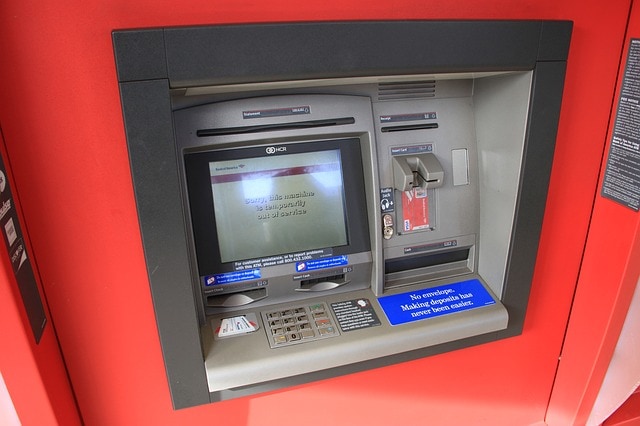
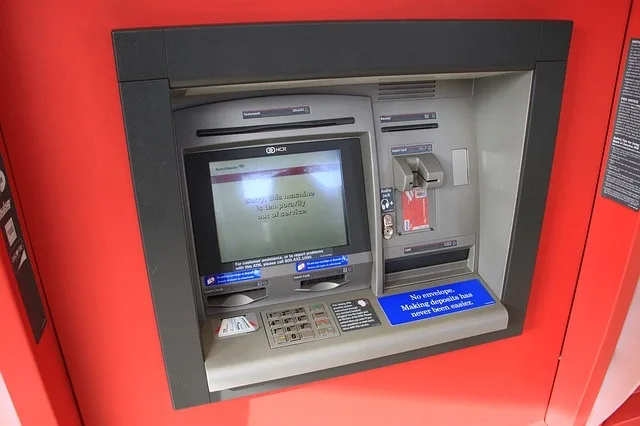
We spent an amazing three months in Bali. If you are heading there, have a look at our top 6 Bali destinations.
Whenever we needed rupiah, we popped down to the ATM and withdrew from our Australian or Irish bank accounts. A few weeks later we checked our online banking and were shocked.
Back then (this was in 2015), each withdrawal cost us AU$12.50 on the Australian account and €6.32 on the Irish account. We had been to the ATM five or six times, casually taking out $100 or €100 at a time, and had racked up well over $100 and €50 in charges in a few weeks.
Some banks have since dropped or reduced their own overseas ATM fees, but plenty still charge, and the exchange rate markup is often still there. The good news is that it is now much easier to avoid.
Use a travel-friendly card
Instead of your regular bank card, use a card designed for spending abroad:
- Wise card: spend in the local currency at the real exchange rate, with a small conversion fee shown in the app. A small number of ATM withdrawals each month are free, then a fee applies.
- Revolut: popular as a travel card. The free Standard plan includes a monthly allowance of fee-free ATM withdrawals and currency exchange, after which fees apply, and there is an extra markup on currency exchange at weekends. Check the allowances for your country in the app before you rely on it.
Many banks and credit card providers now also offer cards with no foreign transaction fees, so check what your own bank has before you go.
Always pay in the local currency (say no to dynamic currency conversion)
This is the one tip we would want everyone to remember.
When you pay by card or use an ATM abroad, you are often asked something like “Pay in EUR or in AUD?” or “Accept conversion?”. This is called dynamic currency conversion, and the rate offered is almost always poor.
Always choose the local currency (euro in Portugal, rupiah in Bali, and so on) and decline the conversion. Let your card do the exchange instead.
Cash and ATM tips
- Bring some cash for when you land, but do not carry large amounts for your whole trip.
- Take out fewer, larger amounts rather than lots of small ones, so fixed fees hit you less often.
- Use ATMs belonging to real banks, ideally inside a branch or shopping centre, rather than standalone machines in tourist areas, which often charge more.
- Look out for the local ATM operator’s own fee on the screen before you confirm.
- Carry a backup card kept separately, in case one is lost, blocked or swallowed by a machine.
What about PayPal or bank transfers?
We can hear some of you saying “We use PayPal and pay nothing” or “My bank gives me free international transfers”. Fair points, so here is our honest take.
PayPal
PayPal is great for small payments between friends in the same currency, and for paying online. It gets expensive when currency conversion is involved.
PayPal’s currency conversion is typically 3 to 4% over the base exchange rate. In Australia, for example, personal international payments can also carry a separate fee (5%, from a minimum of A$0.99 up to a maximum of A$5.99). Check the current figures on PayPal’s fees page for your country.
For anything more than a small amount in another currency, a money transfer service will almost always leave more in your pocket.
Bank transfers
“Free” international transfers from a bank usually just mean the cost is hidden in the exchange rate. And as we found out, the receiving bank may charge as well.
Please do not use your bank for international money transfers without comparing the amount received against Wise first. In our experience, the bank has never come out on top.
Things to know before your first transfer
- Setting up is quick. Like a bank, transfer companies are regulated and will ask for photo ID and sometimes proof of address. It usually only takes a few minutes online.
- It is not free, but it is cheaper. You still pay something, either a visible fee or a margin in the rate. The point is that it is usually far less than a bank.
- It is fast. Many transfers now arrive the same day, and some within minutes, though larger amounts and some currencies take longer.
- Double check the details. Make sure the recipient’s name, account number and bank code are correct before you send. Mistakes can be slow to fix.
- Compare on the day. Rates move all the time. For big amounts, get two quotes on the same day and compare what arrives.
The bottom line


We wasted hundreds of dollars and euro over the years purely because of convenience. Once you have set up a transfer account and a travel card, it is just as convenient as using your bank, and a lot cheaper.
There will still be times when you have to use an ATM or make an urgent transfer, and that is okay. Just know your options before it happens.
Moving from Ireland to Australia? Our sister site has a guide to transferring money from Ireland to Australia.
What do you use to send money abroad, and why? Let us know in the comments.
- Wise: everyday international transfers and a multi-currency card
- TorFX: larger transfers with a dedicated account manager
- Best bank in Australia and best bank in Canada for newcomers
- How to send money to Canada from abroad
- Working holiday visa Australia checklist
- True Traveller: the travel insurance we use
Steve and Sabina
Some links are affiliate links. If you use them we may earn a small commission at no extra cost to you. Fees and rates change; check the provider’s own website for current fees before you send money.