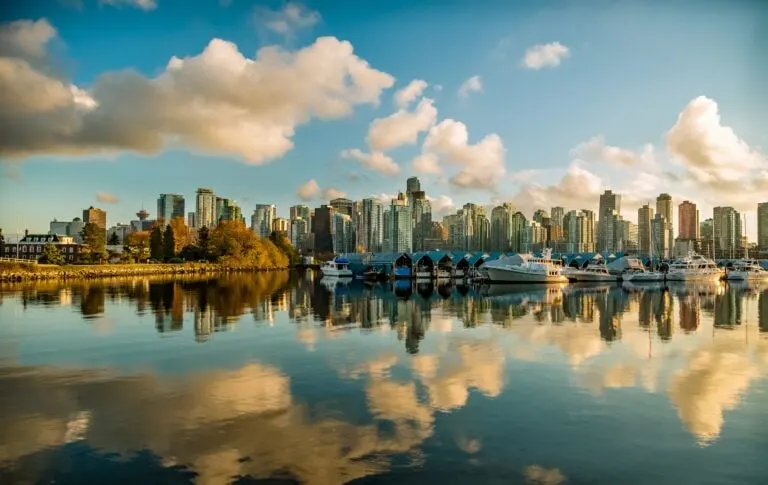

We landed in Vancouver on IEC working holiday visas and ended up staying about two years. Sabina had a job two days after we arrived. Steve won a season pass in a random ski shop. Not a bad start.
This is the guide we’d send a friend who’s moving to British Columbia:
- the paperwork, in the right order
- when your health cover actually starts
- how to swap your driving licence
- where to live, and what it really costs
Rules and prices were checked in November 2026. They change, so we link the official pages as we go.
Updated November 2026: BC key facts
- Health cover (MSP): starts after the rest of the month you arrive, plus two more months. Working holiday visa holders have extra work conditions.
- Driving: you have 90 days to switch to a BC licence. Irish, UK, Australian and New Zealand licences swap without extra tests if you have more than two years’ driving experience.
- Minimum wage: CAD 18.25 an hour since 1 June 2026 (about EUR 11.50).
- Rent: a one-bedroom in Vancouver averaged CAD 2,377 a month in asking rent in October 2026 (about EUR 1,500).
- Deposits: a landlord can ask for up to half a month’s rent, plus up to half a month more if you have a pet.
- Sales tax: 5% GST plus 7% PST on most goods, added at the till. Groceries and restaurant meals have no PST, and alcohol is 10%.
Jump to
- First, the visa
- Healthcare: MSP and the wait
- Your first week: SIN, bank and phone
- Where to live in BC
- Renting in BC
- Jobs and money
- Driving in BC
- The weather (yes, it rains)
- Our moving to BC checklist
- FAQ
First, the visa (it decides everything else)
Your visa decides how long you can stay, whether you can work and whether you get public health cover. Sort it before anything else.
- Working holiday (IEC): what we did. Open work permit, work for almost anyone, live anywhere in BC. Start with 15 things to know about the working holiday visa in Canada.
- Coming from Australia? We made that exact move. Our IEC guide for Australians covers it, and Australia vs Canada helps if you’re still choosing.
- Staying for good: BC’s own route to permanent residence is the BC Provincial Nominee Program (BC PNP).
The BC PNP changed a lot in 2026:
- A new guide took effect on 28 May 2026, with healthcare and trades workers prioritised.
- The entry level and semi-skilled stream is closed.
- BC expects at least 35% of nominations to go to people working outside Metro Vancouver.
BC immigration rules change almost as often as the Vancouver forecast, so check the official guide before you plan around a stream.
Healthcare: MSP and the wait of up to three months
MSP (the Medical Services Plan) is BC’s public health insurance. Monthly premiums were scrapped in 2020, so it costs nothing.
Who can join:
- Most work permit holders with a permit of six months or more.
- Working holiday (IEC) permit holders have extra conditions: you need to be employed in BC for six months in a row, working at least 18 hours a week, and to show proof of your job and your departure date.
- If you don’t qualify, you need private insurance for your whole stay.
The catch is the wait. Cover starts after the rest of the month you arrive, plus two full months. Arrive on 10 March, and you’re covered from 1 June. Apply for MSP as soon as you have a BC address. If you renew or change your permit, apply early, because a gap can mean another wait.
Cover the gap with private insurance. We used True Traveller, and Steve’s policy covered his two years in Canada.
True Traveller is for UK and European residents only. For other options, see our travel insurance for Canada guide.
Your first week: SIN, bank and phone
- SIN (Social Insurance Number): you need one to get paid. Service Canada issues it, and you can apply online or in person.
- Bank: we opened accounts with TD when we arrived, then moved to CIBC, which back then gave us a year with no fees. Today’s newcomer deals are in our best bank in Canada guide.
- Moving your savings: Wise sends money at the mid-market rate. We compare the options in our guide to sending money to Canada.
- Phone: an Airalo eSIM gets you data from the airport. For a local plan, we found Rogers had the best coverage, but it was expensive.
- Transport: get a Compass card. An adult 1-zone fare was about CAD 2.85 (about EUR 1.80) when we checked in November 2026.
Where to live in BC: Vancouver, Victoria, Kelowna or the mountains
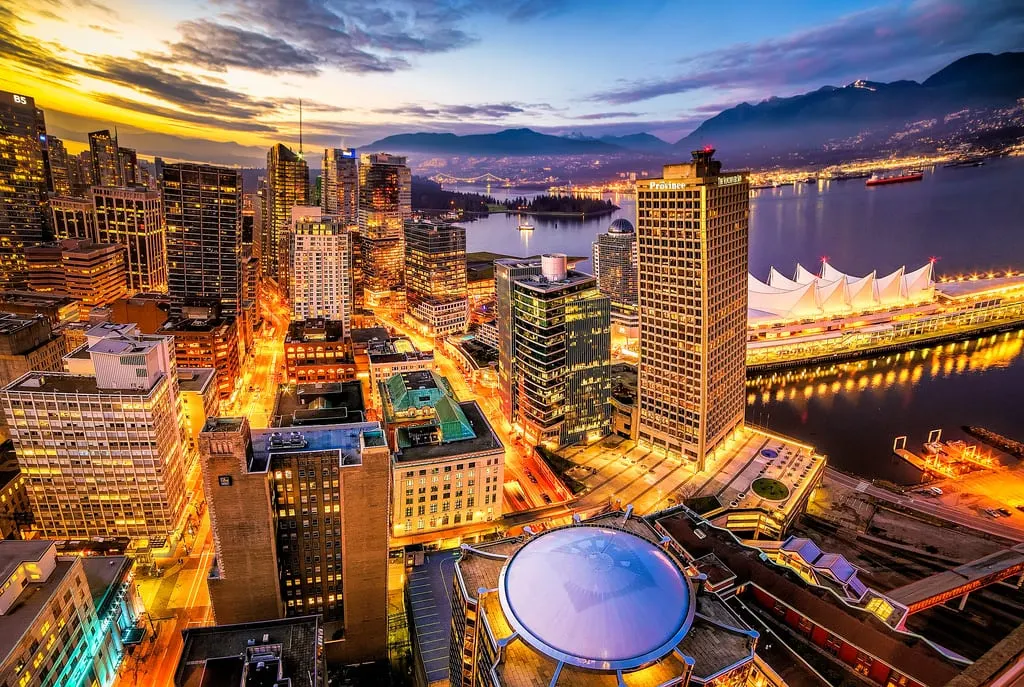
Most newcomers start in Vancouver, and so did we. But BC is huge, and the rest of it is cheaper.
| Place | Best for | Weather | Heads up |
|---|---|---|---|
| Vancouver | Jobs, city life, mountains on your doorstep | Mild, very wet winters | The highest rents in BC |
| Victoria (Vancouver Island) | A slower pace, the sea, government jobs (it’s BC’s capital) | Some of the mildest winters in Canada | You need a ferry or a flight to reach the mainland |
| Kelowna (Okanagan) | Lakes, wineries, long hot summers | Hot, dry summers and proper winters | A smaller job market, but rents are usually several hundred dollars a month lower |
| Squamish and Whistler | Skiing, climbing and life outdoors | Snowy mountain winters | Lots of seasonal work, and housing is tight |
Our pick for a first move: Vancouver. It has more jobs than anywhere else in BC, and you can explore the rest at weekends.
We spent our first month in an Airbnb near Science World (about CAD 2,000 for the month). After that we lived in Kitsilano, paying about CAD 1,950 a month back then.
Our 50 things to know before moving to Vancouver covers the neighbourhoods in detail.
Renting in BC: before you hand over a deposit

- Book your first few weeks before you fly. We booked six weeks of accommodation as soon as we had our flights.
- Expect fewer short stays than we had. Since 2024, BC has limited most short-term rentals to the host’s own home. Hotels and hostels on Booking.com fill the gap for your first nights.
- Know the deposit rules. We were asked for a deposit equal to a full month’s rent. In BC, the legal maximum security deposit is half a month’s rent.
- Got a pet? If pets are allowed, a landlord can ask for up to half a month more as a pet damage deposit. The BC government page has the details.
- Know the numbers. Rentals.ca put Vancouver’s average one-bedroom asking rent at CAD 2,377 in October 2026, about 3% lower than a year before.
- Turn up ready. Bring references, proof of income and ID to viewings. A Vancouver viewing can feel like a job interview, so wear your good jumper.
Jobs and money
- Minimum wage: CAD 18.25 an hour since 1 June 2026. It goes up each June in line with inflation.
- Finding work: hospitality and seasonal jobs move fastest. Specialist jobs take longer, so bring savings.
- Prices don’t include tax: 5% GST plus 7% PST is added at the till on most goods. Groceries and restaurant meals have no PST, and alcohol is 10%.
- Tipping: it’s expected in sit-down restaurants and bars, so budget for it on top of the tax.
Driving in BC
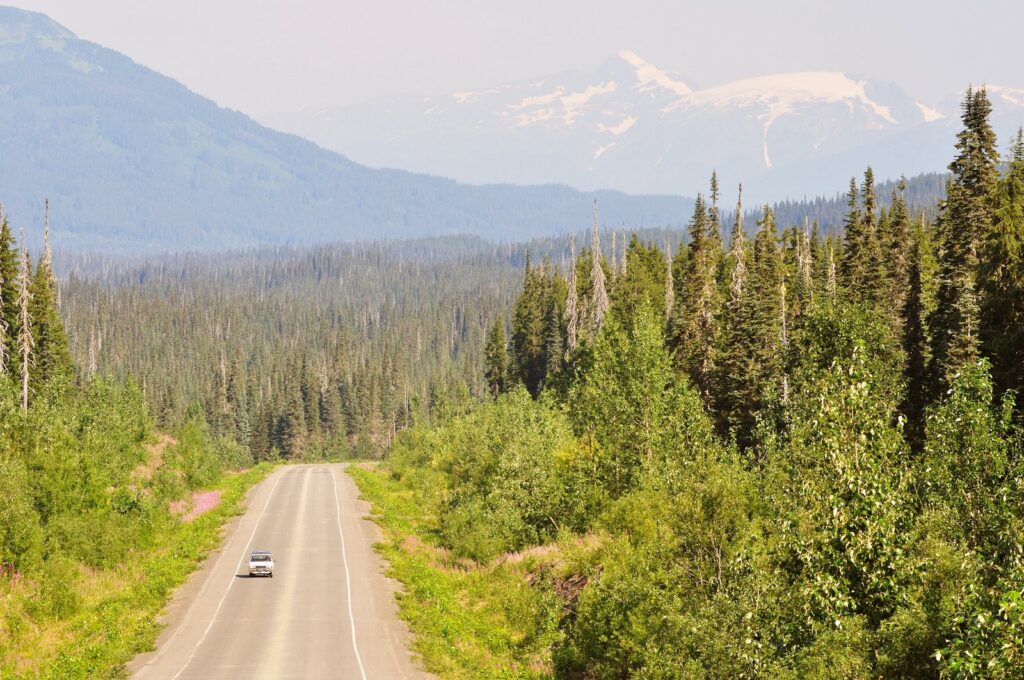
- You have 90 days. After moving to BC, you have 90 days to switch to a BC licence.
- Some licences swap without extra tests. ICBC’s list includes Ireland, the UK, Australia, New Zealand, France, Germany, the Netherlands, Austria, Belgium, Switzerland, Japan and the US.
- The small print: you need more than two years’ driving experience to skip the tests. Licences that aren’t in English or French need a certified translation. Most licences not on the list need a knowledge test and a road test.
- ICBC keeps your old licence. BC lets you hold only one, so you hand yours in when you swap. Farewell, terrible Irish licence photo.
- Car insurance: basic insurance comes from ICBC too.
- No car? No problem in Vancouver. To get up to Whistler we used car2go, the car-share that was in Vancouver back then, or rented a car for a few days. Discover Cars compares rental prices.
The weather (yes, it rains)
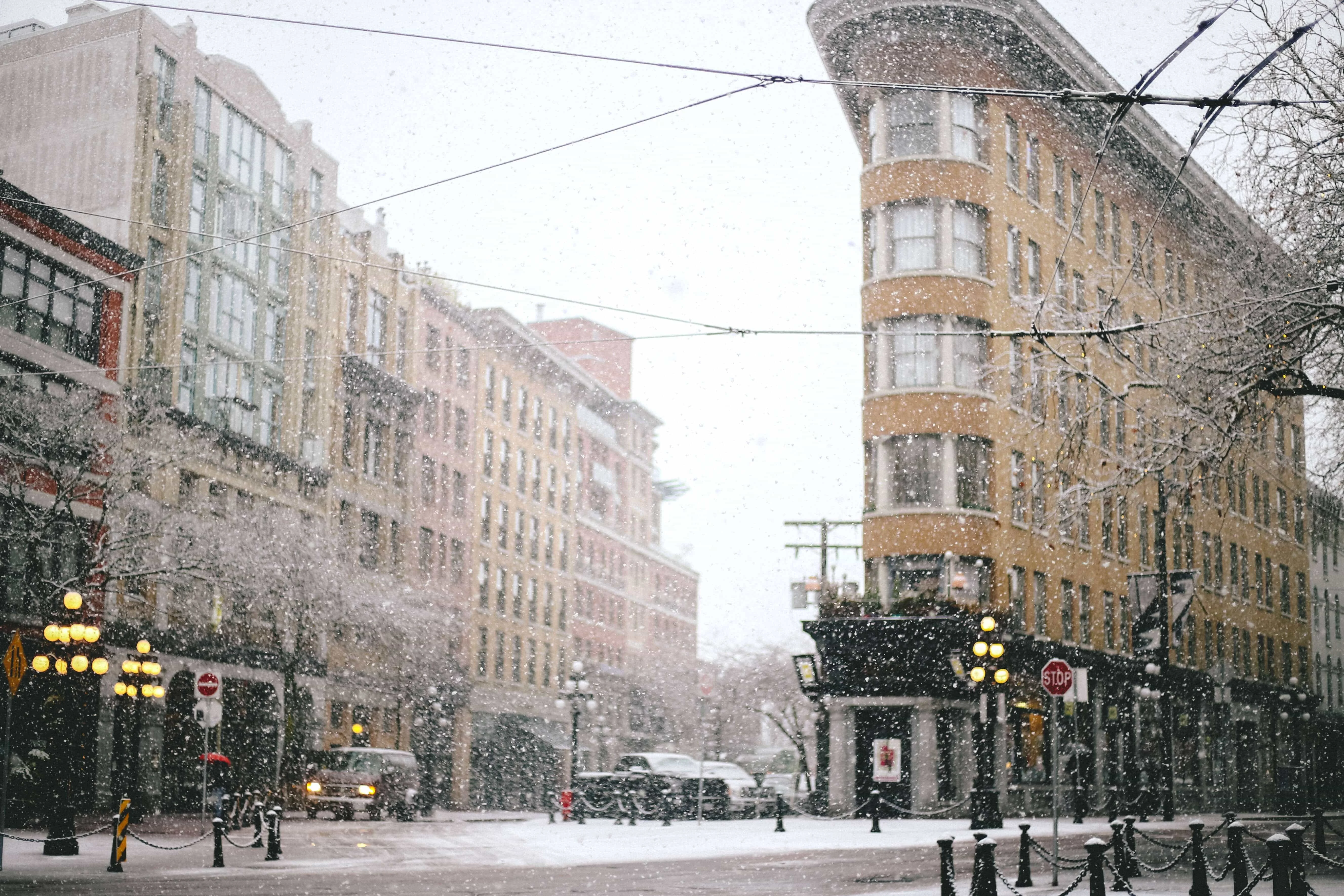
Locals call it Raincouver for a reason. November to January are the wettest months, and July and August the driest. Buy the good rain jacket. Not the cute one.
The upside of all that rain is snow on the mountains. We spent our winter weekends in Whistler, about two hours north on the Sea to Sky Highway. Our Vancouver to Whistler guide covers buses, driving and passes.
No car? This Sea to Sky day trip does the driving for you.
Our moving to BC checklist
- Get your visa or work permit sorted.
- Buy private health insurance to cover the MSP wait.
- Book your first few weeks of accommodation.
- When you land: SIN, bank account, phone and a Compass card.
- Apply for MSP as soon as you have an address.
- Start flat hunting with references ready.
- Swap your driving licence within 90 days.
- Book a weekend in Whistler. You’ve earned it.
Moving to British Columbia: FAQ
How long until MSP covers me?
After the rest of your arrival month plus two full months, if you qualify. Working holiday visa holders have extra conditions, which are in our healthcare section.
Can I swap my Irish or UK driving licence in BC?
Yes, if you have more than two years’ driving experience. ICBC swaps licences from Ireland, the UK, Australia, New Zealand and a handful of other countries without extra tests. Do it within 90 days, and expect to hand in your old licence.
Is it cheaper to live outside Vancouver?
For rent, usually yes. Rentals.ca had Kelowna one-bedrooms at about CAD 1,740 in April 2026, against CAD 2,377 in Vancouver in October. There are fewer jobs, though, so check your line of work first.
Do I need a job offer to move to BC?
Not on a working holiday visa. For permanent residence, the BC PNP’s main Skilled Worker stream needs a job offer from a BC employer.
More Canada guides: moving to Vancouver, things to do in Vancouver, Vancouver to Whistler, how to move to Canada, moving to Toronto and Vancouver captions for your first photo dump.
Save this guide for later: pin this image to your Pinterest board.
Sources checked in November 2026: the BC government (MSP, minimum wage and tenancy deposits), ICBC, WelcomeBC and Rentals.ca. Rules change, so check the official pages before you move.
Steve and Sabina