
Everything we learned from living in Vancouver, including the mistakes we made, so you don’t have to make them too.
This guide covers visas, healthcare, transport, accommodation, money, work, lifestyle and lots more. We have kept all our own stories from our time in the city and updated every fact and price for 2026.
Updated October 2026: what has changed since we lived in Vancouver
- Uber and Lyft have operated in Vancouver since January 2020. Car2Go left in February 2020; Evo is still here.
- BC MSP health cover is free (premiums were scrapped in 2020), but there is a wait of the rest of your arrival month plus two months.
- BC minimum wage is $18.25 an hour (from 1 June 2026).
- Average Metro Vancouver one-bedroom rent: about $2,098 a month (August 2026). The purpose-built vacancy rate was 3.7% in October 2025.
- Prepaid phone plans with 50GB+ of data now cost around $30 to $40 a month.
- Transit: adult 1-zone fare is $2.85 with a Compass card, or $3.50 by cash or tapping your bank card or phone.
- Flagpoling (activating a work permit with a quick trip to the US border) ended in December 2024.
We first arrived in Canada on two-year IEC working holiday visas. Once we got our visas, we didn’t give it much thought and decided to move to Vancouver. We bought our tickets and made sure we had enough money and all the papers we needed to get the work permit at the border.
After living in Vancouver for quite some time, we wanted to share what we learned. When we moved to Australia in 2013, our post on moving to Australia helped many of you, so we decided to do the same for Vancouver.
Applying for your visa? Start with our guide to the working holiday visa in Canada and our IEC Canada visa FAQ. Thinking about Toronto instead? Read our guide to moving to Toronto.
Okay, let’s begin!

Accommodation and renting
1. Try to line up somewhere to live before you arrive
Most rentals start on the 1st or the 15th of the month. If you find a place before the 1st, you are sorted. Otherwise, you will probably have to wait until the next month.
Apartments in Vancouver are usually rented for 6 to 12 months minimum and typically come unfurnished.
2. Book a short stay that ends on the 1st or 15th
That gives you enough time to find something more permanent. A hostel, hotel or short-term rental all work. When we arrived, we paid $2,000 for a month in a beautiful private apartment on Airbnb, right by Science World. Treat that as a 2016 price, not a 2026 one.
One thing has changed: since 2024, BC’s short-term rental rules mostly limit stays of under 30 nights to the host’s own home, so there are fewer short Airbnbs in Vancouver than there used to be. Monthly stays (30 nights or more) are a different market. You can read the BC government’s short-term rental rules here.
For your first few weeks, Booking.com has hotels and hostels across the city. Couchsurfing or a hostel are the options if you are on a budget.
The main advantage of a short stay is that you get to know the city, work out where you want to live and give yourself some time. Ideally you would have friends here with a spare room, but that is not always the case.
3. Rent is expensive, so budget for it


When you start looking for a permanent place, make sure you have enough money for the first month’s rent and the deposit.
Back when we lived there, our rent was $1,950 a month (not cheap). That included a parking space, all utilities, furniture, TV and wifi. A bit overpriced, and unfurnished places are cheaper. Our landlord asked for $1,950 x 2 upfront, so $3,900 left our pocket before we had slept a single night there.
We later learned, thanks to Sam on our Facebook page, that this was more than the law allows. In BC a landlord can only ask for a security deposit of up to half of one month’s rent (plus up to half a month for a pet damage deposit). The BC government page on deposits and fees has the details.
For 2026, the average unfurnished one-bedroom in Metro Vancouver was about $2,098 a month in August 2026, and around $2,383 Downtown. The good news is that rents have been falling year on year.
If you are looking at shared accommodation, it can be a lot easier, especially if the current tenant has already paid the deposit and you can just slot in with the monthly rent.
4. Watch out for rental scams
Never send or hand over any money before you have met the person, seen the place, signed a contract and got the keys.
We messaged lots of places before we got any response. In the end we found Craigslist the most useful tool for finding a place. Facebook Marketplace and Facebook groups are also widely used now.
Be careful of scams on all of them. The classic one is the “landlord” who is out of the country and asks you to send a deposit before you can view. Ignore and report those ads.
You can also try rental agencies. They usually have higher-priced apartments and houses, but you might get lucky.
Phones, ID and the first few days
5. Getting a SIM card is easy
When we arrived, we found mostly monthly plans from the big companies, and back then we recommended Fido or Freedom Mobile. Today there are plenty of prepaid brands too, including Public Mobile, Fizz, Lucky Mobile, Chatr and Freedom (Wind Mobile became Freedom Mobile in 2016). Prepaid SIMs are easy to pick up with very little ID.
Plans also work right across Canada now, so you won’t be roaming if you head to the Rockies or Toronto.
If you want data the second you land, an Airalo eSIM can tide you over until you pick a Canadian plan.
6. Phone data plans are much better than they used to be
When we moved to Vancouver, data plans were terrible. It was hard to find anything with more than one gig included, and five gigs was rare.
Thankfully, that has changed. In 2026, prepaid plans with around 50GB cost about $30 to $35 a month on brands like Fizz or Public Mobile, and Freedom Mobile has plans with roughly 70 to 125GB for around $40. Compare a few before you sign up.
We still recommend sorting a SIM card first. Getting around with Google Maps is so much easier, and while there is free wifi in lots of places, it’s easier with your own data.
7. Your SIN (Social Insurance Number) is easy to get
Your SIN is a nine-digit number you need to work in Canada or access government programmes and benefits.
You can apply online, at any Service Canada centre, or at the SIN@Landing desk at Vancouver airport (YVR) if it’s open when you arrive. As a temporary resident, your SIN starts with a 9 and expires with your work permit, so you need to update it if your permit changes. See the official SIN page.
For what else you can sort out straight away, read our article on the things you can do on day one in Canada.
8. Get a BCID card
A BCID is government photo ID from ICBC that saves you carrying your passport on nights out. A lot of pubs and clubs ask for either a driving licence or a BCID, so it’s well worth getting.
You apply at an ICBC driver licensing office. Here is what you need to apply for a BCID.
FYI: you don’t need one to open a bank account. Your passport and work permit are enough.
Money and banking
9. Opening a bank account is quick
If you are staying for a while, you will want a Canadian bank account. It’s a simple process and takes about 30 minutes.
We cover all the options in our best bank in Canada guide.
Once your account is open, you will want the cheapest way to transfer your money from home to Canada. Back then we used CurrencyFair to send money from Ireland to our new TD accounts. Today we would point you to Wise, or TorFX for larger amounts (TorFX has no transfer fees; their margin is built into the exchange rate).
10. Get a Compass card, or just tap your bank card
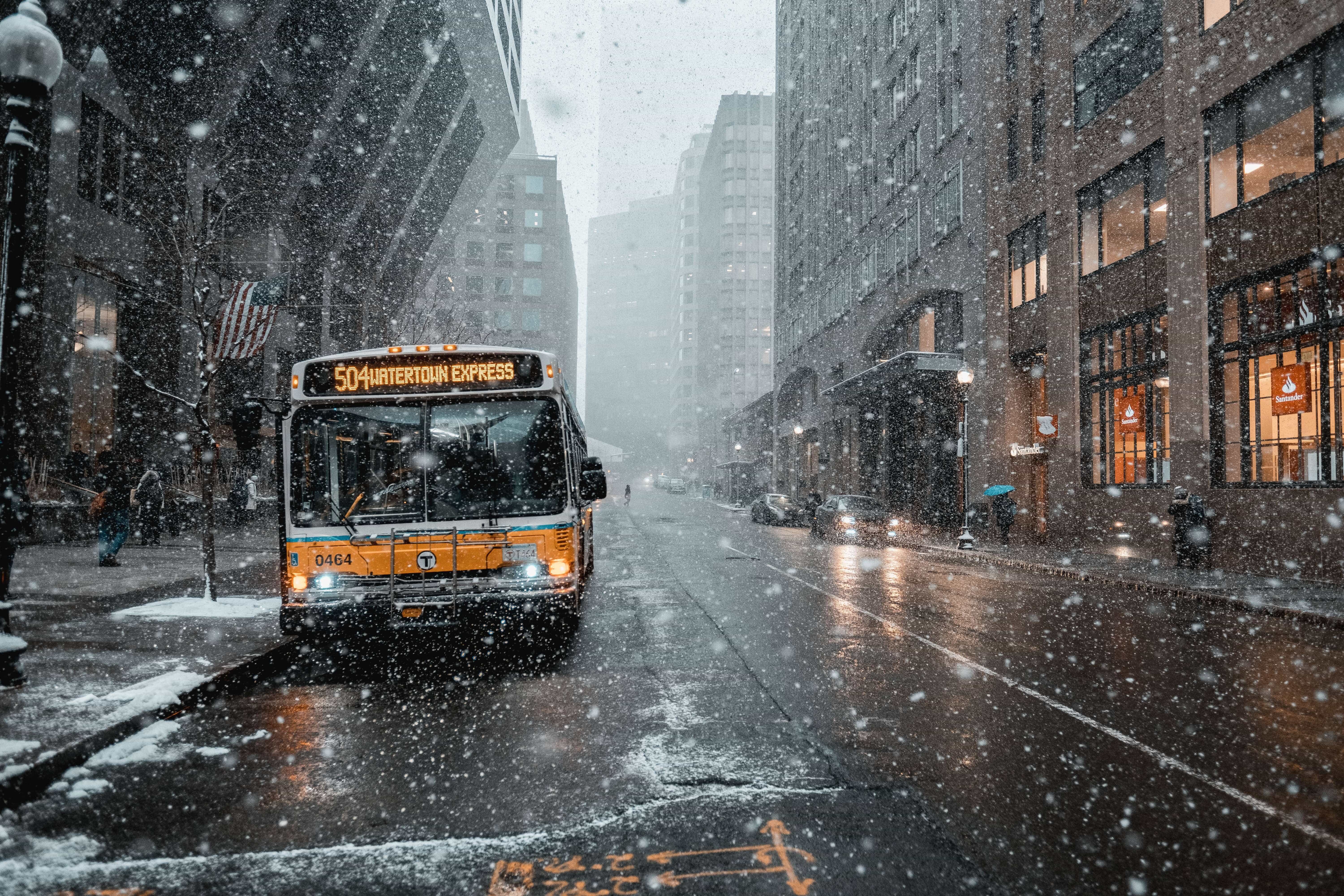
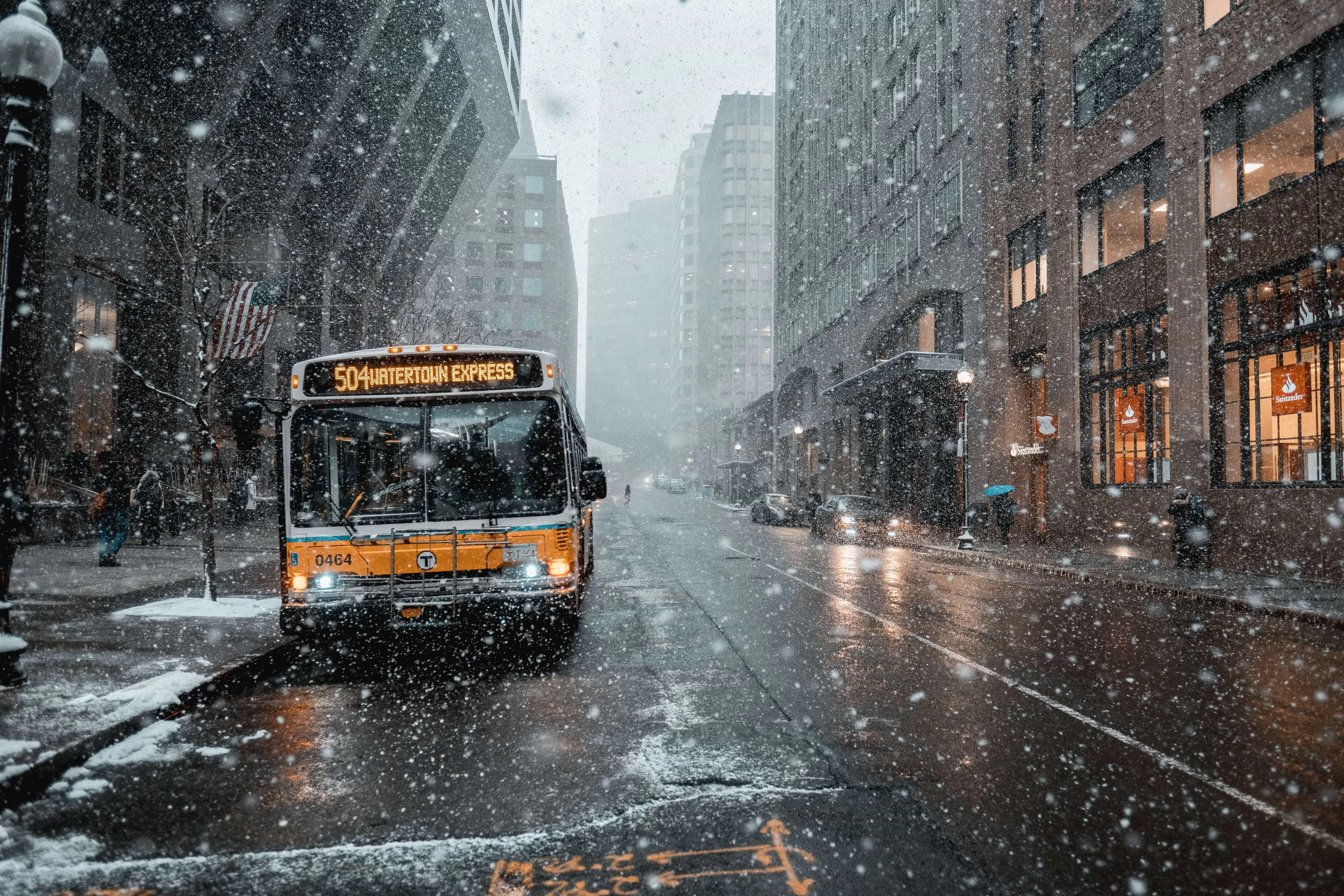
Vancouver’s SkyTrain, buses and SeaBus all use the same fare system. You have two ways to pay:
- Compass card: a reloadable card with a $6 refundable deposit. With stored value, an adult 1-zone fare is $2.85 (from 1 July 2026). You can buy one at stations and some local shops.
- Tap to pay: tap a contactless credit card, Interac debit card or your phone. It’s handy, but you pay the higher cash-equivalent fare ($3.50 for 1 zone).
On SkyTrain and SeaBus you must tap in and tap out, or you can be charged the maximum fare. On buses you only tap when you get on. All fares are on the TransLink fares page.
Housing, getting around and living costs
11. Buying a house in Vancouver is costly, and mostly off the table
If you plan to stay for good, you may be thinking about buying. The housing market is very competitive and very expensive.
There are also two big rules for newcomers. BC charges a 20% additional property transfer tax on foreign buyers in Metro Vancouver (it started at 15% in August 2016). And the federal government has banned most non-Canadians from buying residential property until at least 1 January 2027. There are limited exemptions for some work permit holders, so get proper advice.
If you are moving to Vancouver permanently, it is wise to wait until you become a permanent resident.
12. Uber and Lyft are here now
When we lived in Vancouver, there was no Uber at all, and we ordered taxis through the Yellow Cab app. That changed in January 2020: Uber and Lyft both operate in Metro Vancouver now, and taxis are still easy to find too.
13. Finding a rental takes time, but it’s easier than it was


When we were looking, rental vacancy in Vancouver was around 1%, and we didn’t believe it either when we first heard it. It was one of the hardest parts of the move.
We spent three weeks emailing and calling people. In the end we saw five places, picked one and signed the contract the next day. Some people are luckier and find a place faster.
The picture has improved. The purpose-built rental vacancy rate was 3.7% in October 2025, the highest since 1988. It’s still competitive close to Downtown and where the fun is happening, so start early.
14. Prices are shown before tax
The price on the menu or the clothes tag is not what you pay. In BC, most things have 5% GST and 7% PST added at the till.
We kept forgetting about it, even after months! It’s not much fun when you have had two too many and the bill arrives at the table. We once bought a voucher and, guess what, we still had to pay tax when we got to the attraction. Surprise, surprise.
15. Forget about walking up to the bar


If you go for a drink after work, forget about walking in and ordering a beer at the bar like you might do back home. In most places you wait to be seated and are taken to a table.
Your server comes back every time your glasses are getting low. The service is some of the best we came across, but be ready to tip (see point 41). There are a few pubs where you can still order at the bar like normal.
16. Jobs: plenty of work, but the cost of living bites
Vancouver is a great place to live, but it’s also one of Canada’s most expensive cities. There is plenty of work, but it can still take time to land a job.
BC’s minimum wage is $18.25 an hour from 1 June 2026. Average office wages don’t always leave much once the bills are paid, and it can be hard to juggle rent and still have fun at the weekend. There are so many amazing things to do here, but most of them cost money.
Search the government’s Job Bank as well as Indeed, LinkedIn and Craigslist. You can check the latest rates on the BC minimum wage page.
17. Serving jobs: base pay is minimum wage, but the tips are good
If you want a quick start, a serving job can be a great option. BC no longer has a lower minimum wage for liquor servers (it was abolished in 2021), so you get at least the general minimum wage.
The tips are where the money is: 15% to 20% is common, so a busy night is even better.
Keep in mind that summer is crazy busy, and you may be phased out or given fewer shifts as winter approaches.
18. Basement suites are very common


Basement suites are one of the most common types of rental. Many landlords don’t even advertise online and just put a sign in the window.
If you are looking, walk around the neighbourhoods you like and call the number to say you are outside and would like to see the place.
19. Income tax adds up, even on average earnings
For 2026, the federal rate is 14% on the first $58,523 of taxable income, and the basic personal amount is $16,452. BC provincial tax comes on top. You can check the brackets on the CRA tax rates page.
Compared with much of Europe, Canada’s income taxes are still fairly moderate.
20. Shop around for a bank account with no fees
Opening an account is quick, but each bank has different offers. We signed up with TD first and got six months with no fees, then moved to CIBC and got a year free. All in all, a year and a half with no bank charges.
Newcomer offers are more generous now. At the time of writing, TD, RBC and Scotiabank offer around one year with no monthly fee, BMO offers two years and CIBC up to 24 months for eligible newcomers. These offers are time-limited and have conditions, so check the dates. Online banks like Tangerine may ask for a SIN and Canadian ID first.
Our best bank in Canada guide compares them.
21. You can organise a lot on day one
You can get nicely set up on your first day. Our post on what you can do on day one in Canada has you covered.
22. You will quickly find out you need a credit card
Some places and services are much easier with a credit card, from car-share services like Evo to hotel bookings and car rental.
You don’t have to get one, but it comes in handy, and it starts building the Canadian credit history you will need for rentals and phone contracts later.
If your Irish bank card doesn’t work as “debit”, try using it as “credit”.
23. How to get a credit card as a newcomer
When we arrived, TD would only give us a secured card, where you freeze a deposit equal to your credit limit. When we moved to CIBC, we got a normal credit card with no problems.
It’s easier now. TD, CIBC, RBC and Scotiabank all offer unsecured credit cards for newcomers with no Canadian credit history, subject to eligibility. Our advice is still to shop around before you make a quick decision.
24. Moving your money from home to your new Canadian account
We spent hours researching the cheapest ways to move money. At the time, we had been CurrencyFair customers for over three years and decided they were the best for us.
Things have moved on. Today Wise is what we would point you to for everyday transfers, and TorFX is good for larger amounts. Compare them in our money transfer guide or our guide to sending money to Canada from abroad.
Whatever you choose, don’t get ripped off by the banks’ exchange rates. It’s just not worth it!
25. Sending money home from Canada can be trickier
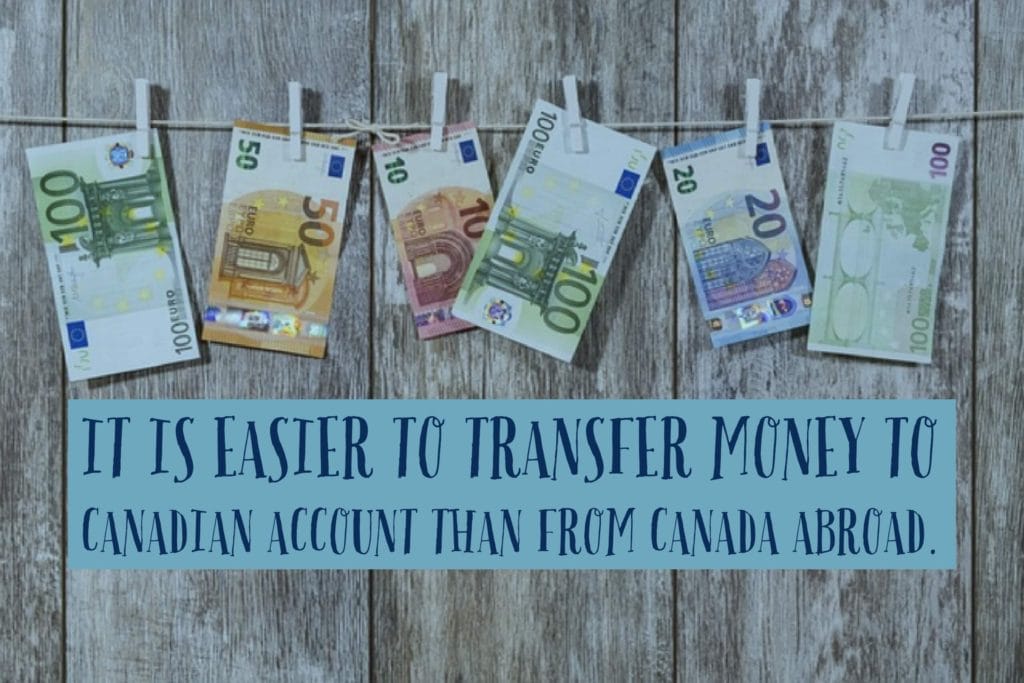
Sending money back home was not easy with TD when we were there. It took a lot of hassle, and in the end we transferred the money to CurrencyFair and sent it home from there (much easier!).
Most Canadian banks now let you send international transfers online, but their exchange rates usually include a big margin. A transfer service that lets you send from your Canadian dollars, like Wise, is usually cheaper.
26. Interac e-Transfer is how everyone pays each other
In Canada, people pay rent, split bills and pay back friends with Interac e-Transfer. You send money from your banking app using just an email address or phone number, and it lands in minutes.
Every big bank includes it, so set it up as soon as your account is open. Just never send an e-Transfer for a rental deposit before you have seen the place and signed a contract (see point 4).
27. A Wise card can bridge the gap in your first weeks
Before your Canadian account is open, a Wise account is handy. You can hold Canadian dollars and spend them with a Wise card, which saves on the fees your home bank charges for spending abroad. Revolut cards also work in Canada for spending, but Revolut isn’t a full Canadian bank account.
You will still want a proper Canadian account for your wages, rent and e-Transfers.
Visas, insurance and travel
28. Coming in and out of Canada on a working holiday is easy
If you need to go home for a while, coming back is simple. We went home for over two weeks after just over three months here, and the process couldn’t have been easier. All we needed was our passport and work permit.
One thing that no longer works: you can’t activate a new work permit with a quick day trip to the US border (known as “flagpoling”). That ended in December 2024, so plan your first entry carefully. Our IEC FAQ explains the current rules.
29. What you need when you first arrive on a working holiday visa


Don’t worry, we went through this too and there is nothing to stress about. At the border, have these ready:
- Your passport and your Port of Entry (POE) letter of introduction
- Proof of health insurance for your whole stay
- Proof of funds of at least CAD $2,500
- A departure ticket, or enough money to buy one
Your insurance matters more than people think. Your work permit is only issued until your insurance expires, and IRCC says you won’t be able to extend it later. So buy cover for the full time you plan to stay.
We use True Traveller. BestQuote lets you compare IEC insurance policies whatever your nationality, and if you live in Australia, Fast Cover is worth a quote. Read our travel insurance for Canada guide for what IEC insurance needs to cover.
Lifestyle and the city
30. Research the neighbourhoods before you choose
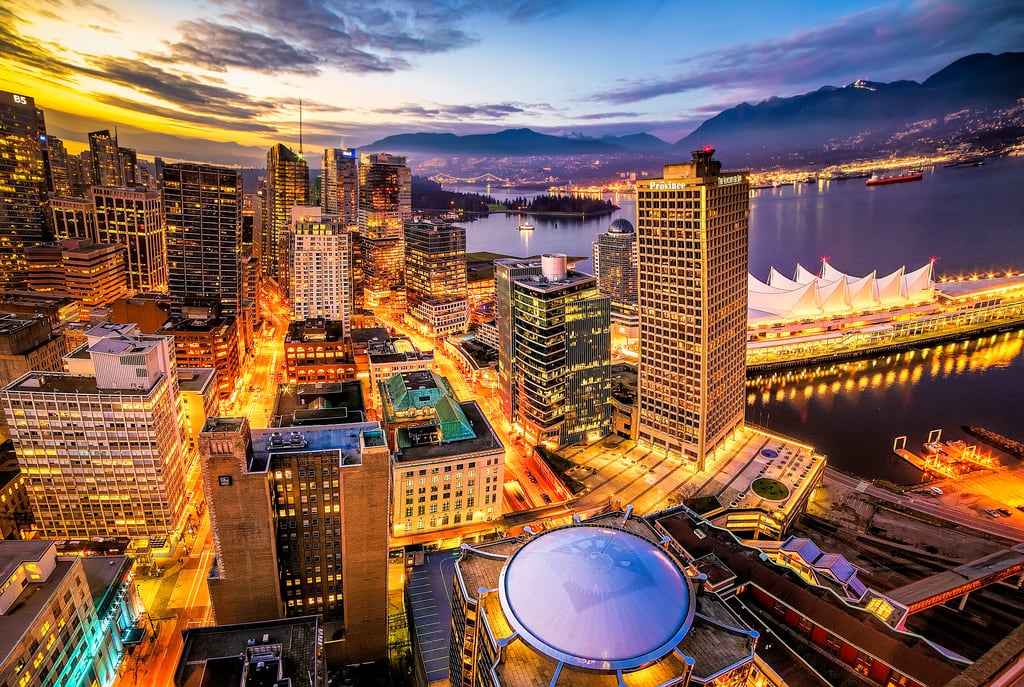
Vancouver’s neighbourhoods each have their own culture and flavour, which gives them a small-town feel even though they are part of a big city in the second-largest country on earth. Spend time in a few before you sign a lease.
31. The weather changes a lot
You will soon realise that the weather here changes all the time. It won’t bother you too much, though, because the views are spectacular.
It also rains a lot, so bring a good waterproof jacket!
32. Vancouver really is one of the best cities to live in
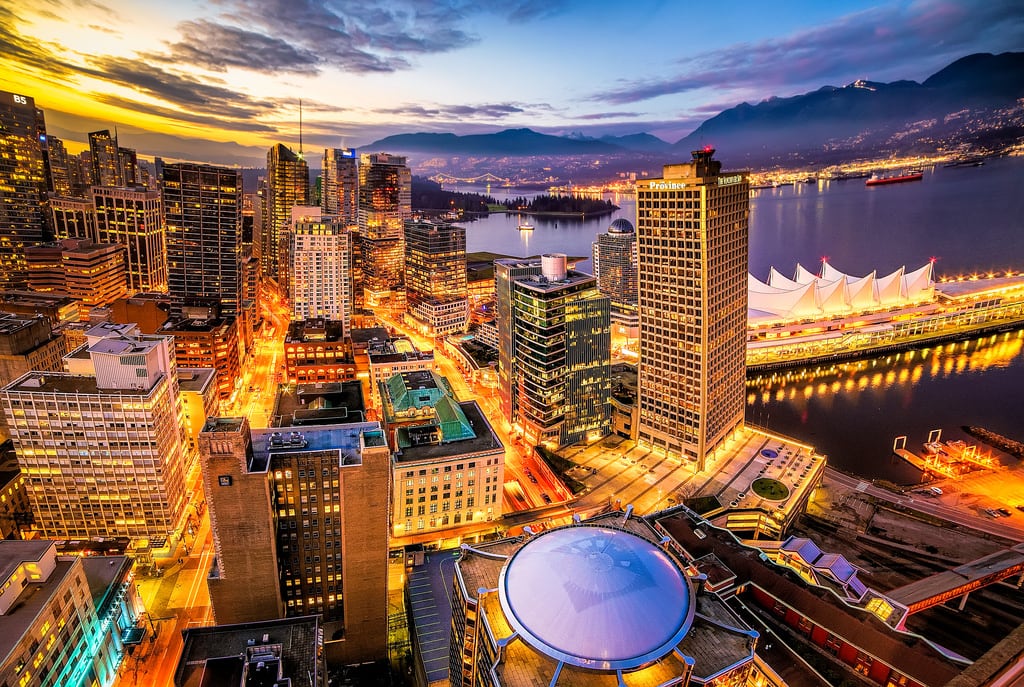

We agree with this one. The city treated us very well, and we loved the vibe and the different areas with their own character. The mountains and the ocean together give you some of the most incredible views of any city.
33. Attractions are expensive, but there are free days
If you plan to explore a bit before you get a job, keep in mind that it’s very easy to spend money in Vancouver. Most attractions aren’t free, and your budget can run low fast.
Okay, we might be exaggerating a bit. If you dig around, there is plenty to do for free, like walking tours.
- The Vancouver Art Gallery runs Free First Friday Nights, from 4pm to 8pm on the first Friday of every month. Book ahead, as it gets busy. Normal admission is $29 for BC residents and $35 for everyone else.
- If you live in Vancouver and have a Vancouver Public Library card, look up the library’s Inspiration Pass for free entry to local attractions.
- If you are staying long term, an annual pass can work out cheaper for places you will visit more than once.
34. Doing your taxes can be confusing the first time
The Canadian tax year runs from 1 January to 31 December. Each employer gives you a T4 (your tax summary) by the end of February the following year.
Your return is due by 30 April, so your 2026 return is due on 30 April 2027. Newcomers with a SIN can file online. You can do it yourself or pay someone to handle it; if you are unsure, getting help can avoid mistakes. Our guide to tax as a backpacker in Canada explains how it works.
35. Seeing a doctor without cover is costly
Unfortunately, this one is based on our own experience. Just after we arrived, Sabina got the flu and had to see a doctor.
The good thing is that there are lots of walk-in clinics, so you don’t need an appointment. The bad thing is the cost. At a clinic in Kitsilano we paid $160 for the visit plus $20 for a sick note for work, back in 2016. Within five minutes we were nearly $200 down.
If you have private travel insurance, check what your policy covers for clinic visits and how to claim. That’s exactly why you need it during your first few months (see the next point).
36. Apply for MSP, BC’s free health cover, as soon as you arrive
BC’s Medical Services Plan (MSP) covers doctor visits and hospital care. When we lived there it cost around $70 to $75 a month, but MSP premiums were scrapped on 1 January 2020, so it’s now free.
Work permit holders whose permit is valid for six months or more can usually enrol. There is a wait period of the rest of the month you arrive plus two more months, so coverage can take up to three months to start. Apply straight away and keep your private insurance until MSP kicks in.
Check who is eligible for MSP on the BC government site. Once you are enrolled, you get a BC Services Card, which is your health card (and photo ID if you choose the photo version).
37. Don’t get caught by overdraft and NSF fees
When we had our accounts, bank fees for going overdrawn were a nasty surprise. A few things have changed since:
- Overdraft protection is something you opt in to, and it usually comes with a monthly fee or interest. Ask your bank exactly what it costs before you say yes.
- Since 12 March 2026, banks can charge no more than $10 for an NSF (bounced payment) fee, and nothing if you are overdrawn by less than $10.
Our advice: keep a small buffer in your account, especially around rent day.
38. Switch to a BC driving licence within 90 days
After moving here, you have 90 days to swap your licence for a BC driver’s licence.
If your licence is from a country BC has a reciprocal agreement with (including Ireland, the UK and Australia) and you have at least two years’ driving experience, you can usually exchange it straight away without a test. More information is on the ICBC moving to BC page.
39. You don’t need to own a car to have a car
Car2Go used to be everywhere in Vancouver, but it left the city in February 2020. Evo is still going strong, and you will see their cars all over the city.
You join once and then pay as you go. You don’t strictly need a BC licence to sign up: with a licence from outside BC, Evo asks for a two-year driving record, and the 90-day limit on using a foreign licence still applies. Check the Evo FAQ for the current rules.
40. Vancouver’s climate is fairly mild
Summer is lovely, as the city is sheltered by Vancouver Island and gets more sunshine than BC’s other coastal areas. Expect autumn and winter to be very wet and cloudy.
The nearby Cypress, Grouse and Seymour mountains get snow in winter, with excellent conditions for winter sports.
41. Expect to tip 15% to 20%
You won’t go to a pub or restaurant, or grab a quick bite, without leaving a tip. When we lived there, 10% was the bare minimum; today 15% to 20% is the norm for table service.
If you don’t have cash, don’t worry. The card machine asks you to add the tip before you pay. As a result, the service is top-notch.
42. Vancouver has a big film scene
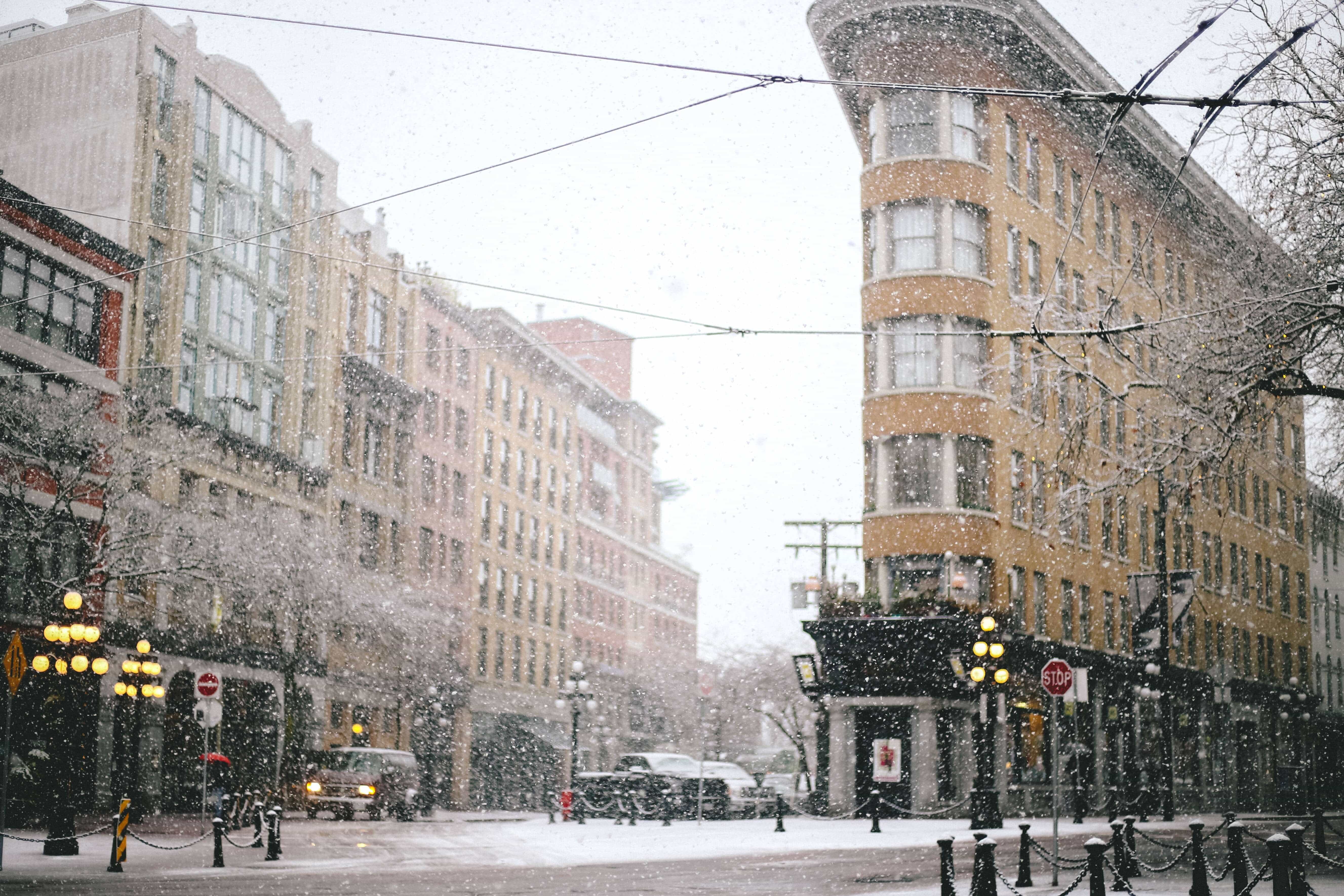
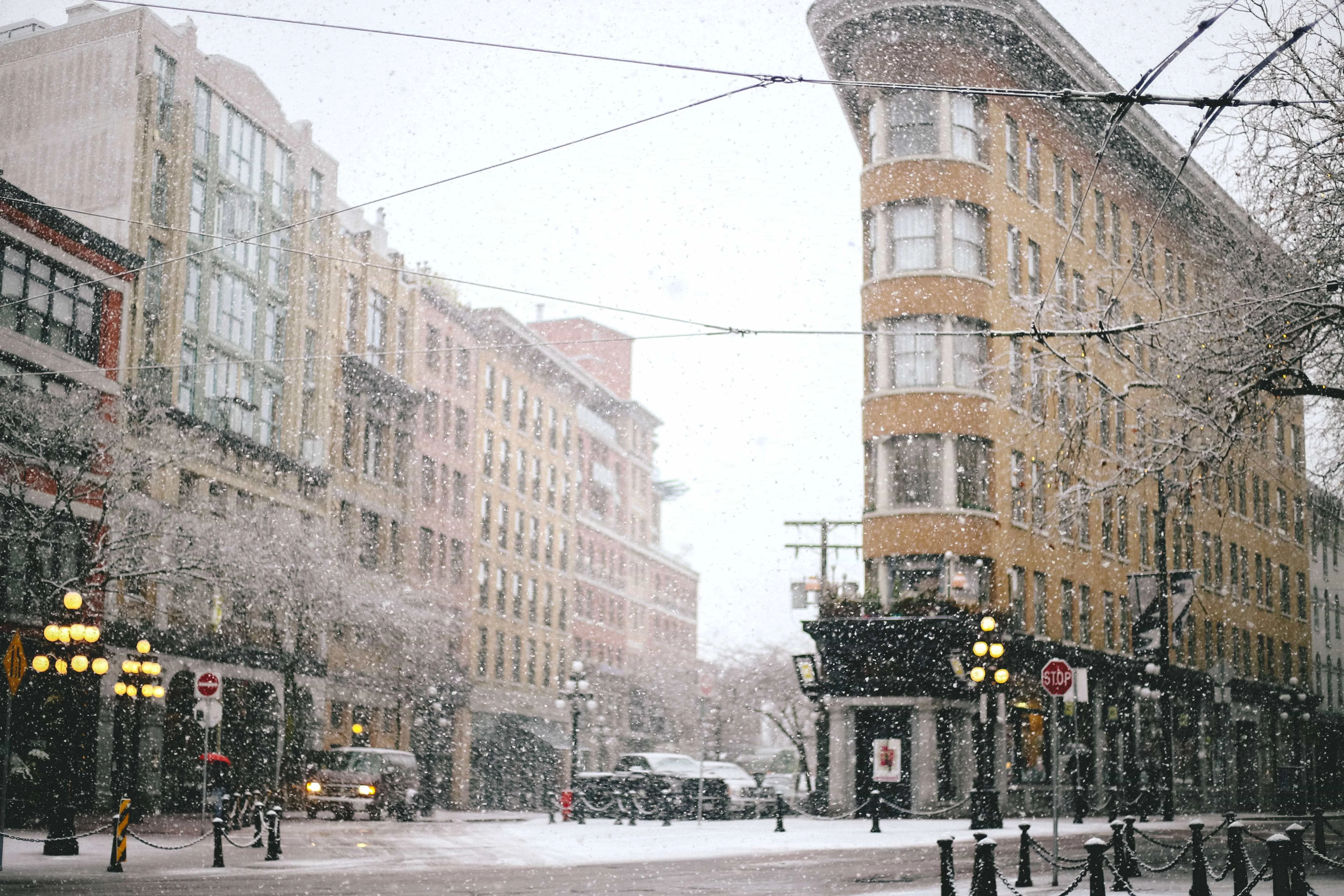
Films and TV shows are shot here all the time, and you will often stumble across a set. Fifty Shades of Grey, I, Robot, Fantastic Four and Man of Steel were all partly filmed here.
43. The Downtown Eastside can be a shock
The area around East Hastings Street, in the Downtown Eastside, is one of the hardest places to see in Canada. You will notice a lot of homelessness and open drug use, and the area has been hit hard by the overdose crisis. Take care, be respectful and be aware of your surroundings, as you would in any big city.
44. Some of the best things to do are free
To balance out point 33: Vancouver’s outdoors costs nothing. Walk or cycle the Stanley Park seawall, spend a summer evening on Kitsilano or English Bay beach, or head out to Lynn Canyon Park, whose suspension bridge is free to cross. Add the beaches, hiking trails and mountain views, and you can have a brilliant weekend without spending a cent.
45. Happy hour will become your best friend
Drinks are pricey in Vancouver, so you will quickly learn that mid to late afternoon is the best time for a drink. Lots of bars and pubs run happy hour deals, and some of the smaller pubs have the best ones. Ask around and look for the specials board.
46. You will be getting a bike in no time
The city has great bike lanes. In the morning and at 5pm, the streets fill with people on bikes. It’s not Amsterdam, but bikes are a big part of life here.
If you don’t want to buy one, Mobi is Vancouver’s bike share scheme. Also, be sure to wear a helmet: it’s the law for cyclists in BC.
47. There are plenty of festivals in the summer


If you are moving to Vancouver, don’t miss out on the celebrations. Something is happening every weekend, and because the season is short, July and August are packed with events across the city and the rest of BC.
48. Just arrived? Here’s what to sort first
We had no idea what we needed to organise when we first arrived, or how long it would take. It turned out to be straightforward. Here is the order we would do it in today:
- SIM card (or an eSIM before you fly)
- SIN
- Bank account and Interac e-Transfer
- MSP application
- Somewhere to live, then a job
If you are stressed and not sure where to start, read our article on what you can do on day one in Canada.
49. Don’t send your money straight between bank accounts
We heard of so many people transferring money from their home bank straight into their new Canadian account, and we can’t stress enough how expensive that is. We learned the lesson the hard way: banks build a big margin into the exchange rate, and you never get it back.
Use a specialist like Wise or TorFX instead, and read our guide to sending money to Canada first.
50. Travelling to the USA? Get an ESTA
Seattle is only a few hours’ drive away, and lots of US cities are a short flight.
If you travel on a Visa Waiver passport (Irish, UK or Australian, for example), apply for an ESTA on the official US government site a week or two before you go. An ESTA is not a visa: it’s a travel authorisation that lasts two years or until your passport expires, whichever comes first. The fee is US$40. Only use the official site, as lookalike sites charge extra.
Moving guides and groups will become your best friends


Whether you are planning your move or have just arrived, read the guides and connect with people doing the same thing. To help, we set up the Moving To Vancouver Facebook group, so feel free to join us. Moving2Canada is another useful site.
We loved Vancouver, and we believe you will too. Good luck with the move and safe travels!
- Working holiday in Canada: the complete guide (all our Canada posts in one place)
- 6 things to do on day one in Canada
- Best bank in Canada for newcomers
- Canadian Rockies road trip
Planning your move to Vancouver?
- Working holiday visa in Canada: what you need to know
- IEC Canada visa FAQ
- Travel insurance for Canada (IEC): compare with BestQuote; we use True Traveller
- Send money to Canada with Wise, or TorFX for larger amounts
- Best bank in Canada for newcomers
- Tax as a backpacker in Canada
- First few nights: Booking.com
- Data on arrival: Airalo eSIM
- Exploring BC: Canadian Rockies road trip and car hire
- Thinking about the other side of the country? Moving to Toronto
Steve and Sabina
Planning your trip? Pin this guide to your Pinterest board for later.
Some links are affiliate links. If you use them we may earn a small commission at no extra cost to you.
Rules, fees and rates change; always check the official government website before you apply.
Posting your Vancouver photos? Grab a line from our 100+ Vancouver captions.
Rachel
Thursday 10th of March 2022
Hey, you quote rent in dollars but USD or CAD?
Sunset Travellers
Monday 14th of March 2022
Hi Rachel, yes sorry it is all in CAD! :)
Bes
Saturday 17th of April 2021
Thanks for taking the time to write this info. I was a bit concerned about your comment regarding young homeless people making a “strange lifestyle choice” .. Canada has a homelessness problem and you just said yourself that rent is high and 1% is available for rent. As an immigrant it’s not fair to judge homeless people by saying it’s their choice..
Cheap Moving Company in Ottawa
Monday 3rd of February 2020
I have the same thoughts as you, it’s really great. thank you very much
Moving Company Rates
Monday 20th of January 2020
Superbly written article, if only all bloggers offered the same content as you, the internet would be a far better place.
Sunset Travellers
Thursday 30th of January 2020
Thanks a lot! We really appreciate your kind comment.
Sarah
Sunday 12th of January 2020
Thanks for the tips! You guys ate the best. Thank you!
Sunset Travellers
Thursday 30th of January 2020
Thanks Sarah, Glad you found our content helpful.